
6 Best Lenders for Bad Credit Loans in Virginia: 2026 Rankings

6 Best Lenders for Bad Credit Loans in Virginia: 2026 Rankings
Last updated: 2026-11-25
When your credit score takes a sudden detour, finding a lifeline can feel like walking through a thick Virginia fog. You might be staring down an unexpected car repair bill in Richmond or a sudden dental emergency in Norfolk. The goal isn’t just finding cash, but finding a partner that won’t make your financial situation even more precarious.
In a crisis, the temptation is to grab the first check offered. However, the lending market is complex. It varies wildly depending on whether you need a quick bridge for an emergency or a long-term restructure to fix your finances. Choosing the wrong path can turn a temporary hiccup into a permanent trap.
- FastLendGo
- SoFi
- Wells Fargo
- Synchrony Bank
- Allegiance Credit Union
- Happy Money
How Virginia Borrowers Should Evaluate These Options
The comparison process focuses heavily on accessibility for those with less-than-perfect scores. It is easy to get blinded by a flashy advertisement, but the real story lies in the fine print. A low interest rate means nothing if the lender refuses to talk to anyone below a certain credit tier or if the approval process takes weeks.
When evaluating a lender, you must look at the Total Cost of Borrowing. This includes the principal amount plus every single fee—origination fees, processing fees, and any prepayment penalties that might prevent you from paying the loan off early. Don’t let the monthly payment fool you into thinking a loan is cheap.
This ranking looks at how quickly funds move from the lender to your bank account. We also look at the flexibility of the loan amounts, from a tiny $500 cushion to substantial sums for major life shifts. Ultimately, the goal is to match the lender’s specific strengths to the unique financial hurdles faced by Virginians today.
For example, a resident in a rural area with limited bank branches might prioritize a digital-first lender like FastLendGo. Conversely, someone in a metropolitan hub like Arlington might prefer the stability and physical presence of a large institution like Wells Fargo. Your lifestyle dictates your best option.
| Lender Name | Loan Amounts | APR Range | Terms/Speed |
|---|---|---|---|
| FastLendGo | $500 – $5,000 | see site | Quick access |
| SoFi | see site | see site | see site |
| Wells Fargo | see site | see site | see site |
| Synchrony Bank | see site | see site | see site |
| Allegiance Credit Union | see site | 4.99% – 9.99% | see site |
| Happy Money | $5,000 – $50,000 | 8.95% – 35.99% | 24 – 84 months |
Top-Rated Lenders for Rebuilding Credit in Virginia
1. FastLendGo
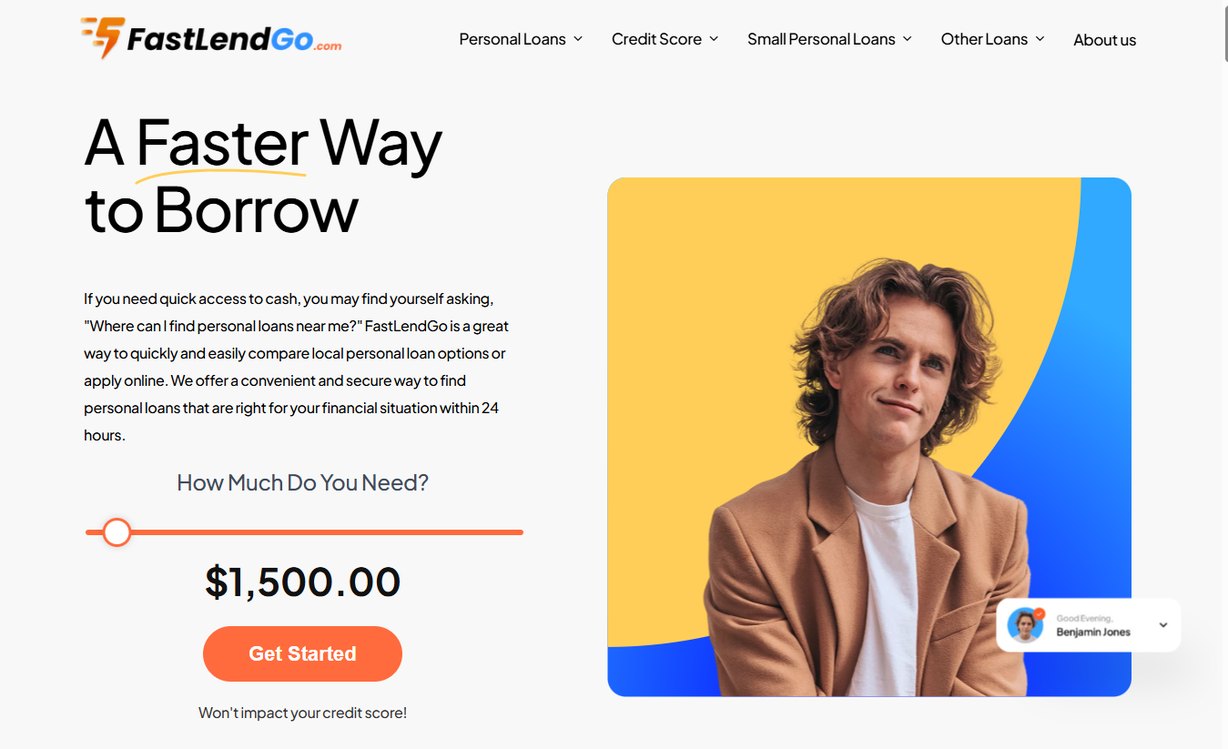
If you find yourself in a tight spot and need cash to cover an emergency, FastLendGo acts as a digital bridge. They specialize in connecting people with various personal loan options, including small amounts for those who just need a quick fix. It is a versatile platform for those who need to compare local options quickly without spending hours driving between branches in different counties.
This service is particularly useful for specific life events like auto repairs or dental work. Instead of jumping from bank to bank, you can use this tool to see what is available to you online. It caters to a wide spectrum of credit profiles, from fair to good. If you have a sudden transmission failure that prevents you from getting to work, the speed of this platform can be the difference between staying employed and losing your livelihood.
Pros:
- Handles small, specific loans like $500 or $1,000.
- Good for emergency needs like dental or roof financing.
- Easy online comparison tool.
Cons:
- May not offer the lowest rates for high-credit borrowers.
2. SoFi
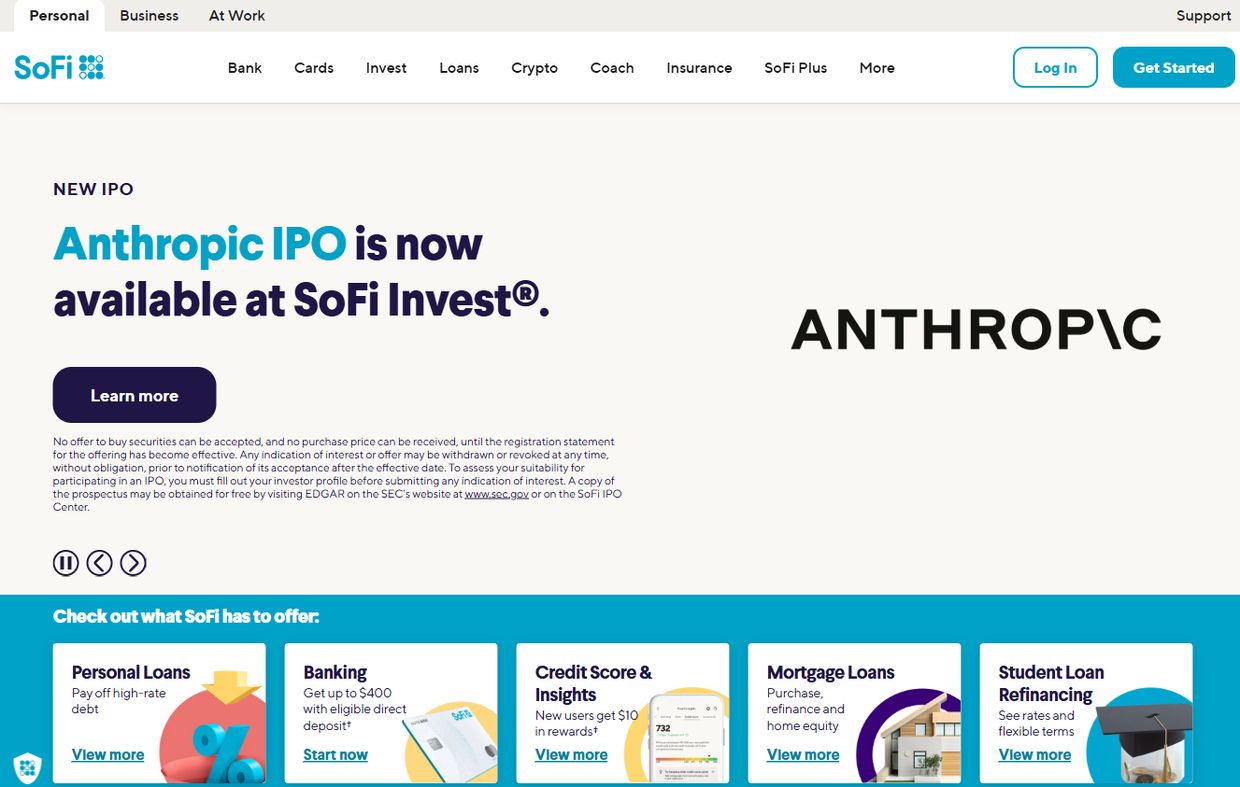
SoFi operates as a massive financial ecosystem, offering much more than just basic lending. They provide a suite of services including banking, investing, and insurance. This makes them a powerhouse for anyone looking to consolidate their entire financial life under one digital roof. Because they are heavily integrated into the fintech space, their user interface is designed for speed and transparency, which is a breath of fresh air compared to legacy banking systems.
They are a strong choice for individuals who are looking to move beyond simple borrowing and into wealth building. While they are known for their digital platform, they also offer specialized business loans for small business owners looking to expand their reach. If you are a freelancer in Roanoke looking to upgrade your equipment or a contractor needing to purchase a new truck, SoFi’s specialized offerings can support that growth.
Pros:
- Comprehensive financial suite including investing and banking.
- Strong reputation for digital-first user experience.
- Offers business loan opportunities.
Cons:
- May have stricter requirements than specialized subprime lenders.
3. Wells Fargo
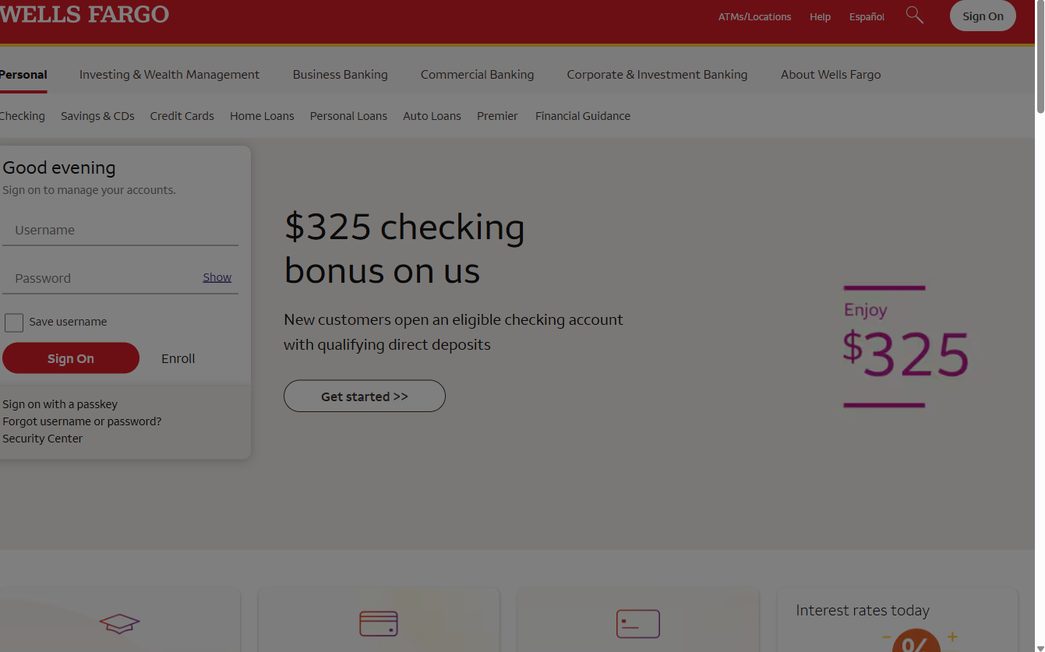
As a massive institution, Wells Fargo offers a sense of stability that many find comforting. They provide a wide array of traditional products, including checking accounts, mortgages, and auto loans. For many Virginians, having a relationship with a large, established bank is a priority, especially when applying for significant life milestones like a home mortgage.
They often run promotions, such as cash bonuses for new checking account customers. This can be a great way to get a little extra cushion while you are setting up your long-term banking foundation. However, it is important to note that traditional banks often have more rigid underwriting standards. If your credit is significantly damaged, you may find the application process more challenging than with a dedicated subprime lender.
Pros:
- Wide range of traditional banking services.
- Potential for new customer sign-on bonuses.
- Extensive physical and digital presence.
Cons:
- Large bank bureaucracy can sometimes slow things down.
4. Synchrony Bank
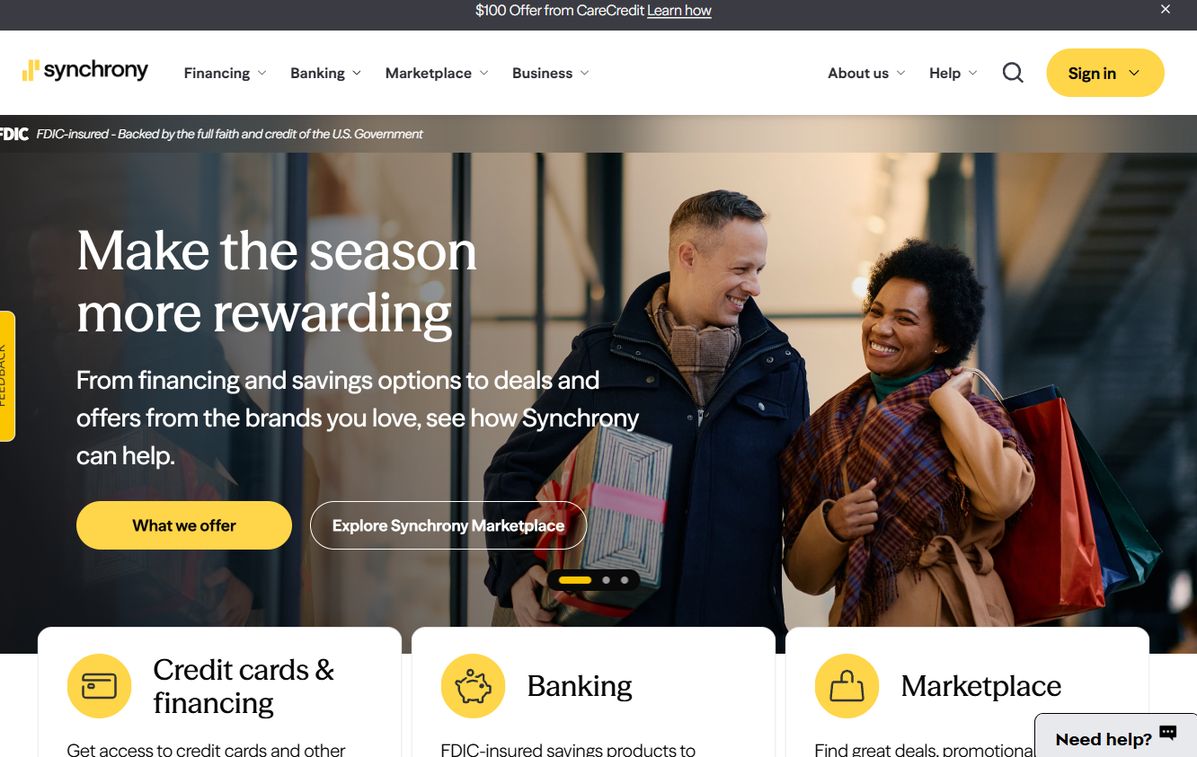
Synchrony Bank is a specialist in the world of financing and retail credit. They are the engine behind many of the brands you see in stores, providing the ability to buy items now and pay for them over time. This makes them a go-to for specific, high-ticket purchases like furniture, appliances, or specialized electronics.
Whether you are looking for special financing on home goods or a secured loan for a new vehicle, they offer targeted solutions. Their marketplace approach allows customers to see if they prequalify for specific deals, which helps avoid unnecessary hard credit inquiries. This is a vital feature for those currently working to repair their credit, as every inquiry counts toward your overall score.
Pros:
- Excellent for retail-specific financing and store cards.
- Offers secured loans for specific purchases like vehicles.
- Pre-qualification options help protect credit scores.
Cons:
- Financing is often tied to specific retailers or products.
5. Allegiance Credit Union
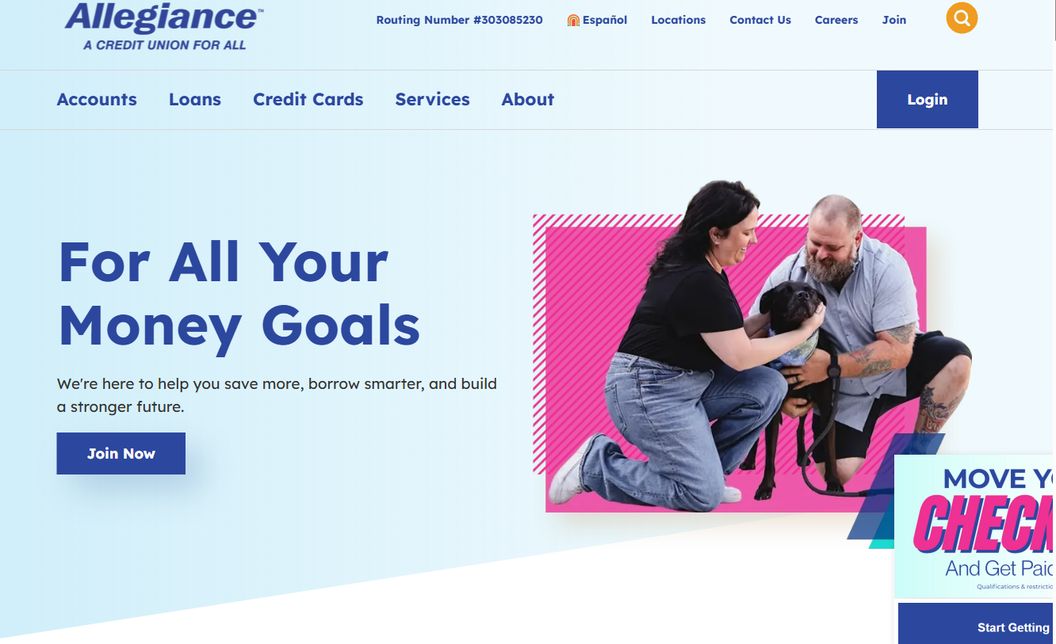
Allegiance Credit Union operates on a different philosophy, focusing on the individual stories of its members. Unlike large banks that view you as a number, credit unions are member-owned cooperatives. They offer products like credit builder loans, which are specifically designed to help people rebuild their credit standing. This is a proactive approach where your monthly loan payments are reported to the credit bureaus, helping to boost your score over time.
Their rates on certain products, like auto loans, can be very competitive. Because they are a credit union, they often provide a level of service that feels more personal than the massive national banks. They are built for those who want to grow their money alongside the institution, making them a preferred choice for those looking to transition from “surviving” to “thriving” financially.
Pros:
- Credit builder loans specifically for rebuilding credit.
- Competitive rates on auto loans and certificates.
- Member-focused service model.
Cons:
- Membership requirements may apply.
6. Happy Money

Happy Money is designed for the person who is tired of being chased by high-interest credit card debt. They offer personal loans specifically aimed at debt consolidation. Their goal is to take several messy payments—perhaps a retail card, a medical bill, and a high-interest credit card—and turn them into one single, manageable monthly payment. This simplification reduces the cognitive load of managing multiple due dates and varying interest rates.
The loan amounts are substantial, ranging from $5,000 up to $50,000, which is ideal for significant debt relief. By securing a fixed rate, you can actually see an end date to your debt, providing a much-needed psychological win in your financial journey. Instead of feeling like you are treading water, you can finally see the shore.
Pros:
- Excellent for debt consolidation and simplifying payments.
- Larger loan amounts available for major needs.
- Fixed rates provide predictability.
Cons:
- Interest rates can be high depending on your credit.
Understanding the Hidden Costs of Borrowing
Before you sign a promissory note, you must understand the anatomy of a loan. Most borrowers focus on the monthly payment, but that is only half of the story. You must also examine the Annual Percentage Rate (APR). While the interest rate tells you the cost of the principal, the APR includes interest plus other fees, such as origination fees or points.
If a lender offers a low interest rate but a very high origination fee, your actual cost of borrowing could be much higher than you initially anticipated. Another critical factor is the loan term. A longer term will lower your monthly payment, making it easier to fit into your current budget. However, you will pay significantly more in total interest over the life of that loan.
For example, a $10,000 loan at 15% interest for 3 years costs about $3,700 in interest. That same loan for 6 years will cost you nearly $5,000 in interest. You must decide if you need the immediate relief of a lower payment or the long-term savings of a shorter term.
How to Navigate the Lending Process Without Getting Lost
The biggest mistake most people make is rushing into the first offer they see. It is incredibly easy to get caught up in the excitement of a quick approval, but you must look at the total cost of the loan. Always ask about the origination fees and how they affect your final payout. If you apply for $5,000 but only receive $4,700 in your bank account due to fees, you still owe interest on the full $5,000.
Another pitfall is ignoring the difference between a soft inquiry and a hard inquiry. Checking your rate should be free and should not damage your score; this is often called a “soft pull” and is used for pre-qualification. However, once you officially apply and the lender pulls your full credit report for a final decision, it becomes a “hard inquiry,” which can cause a temporary dip in your credit score.
Smart borrowers use soft pulls to shop around and only trigger a hard pull when they have found the best terms. Finally, remember that a loan is a tool, not a magic wand. Using a loan to pay off credit card debt is a smart move if the interest rate is lower. This is essentially trading high-interest debt for lower-interest debt.
However, using a loan to buy something you cannot afford is simply moving the problem from one corner to another. If you use a personal loan to buy a new television, you haven’t solved your debt; you’ve just changed the name on the bill. Use these funds to build a better future, not just to cover a temporary mistake.
Comments
[…] Bad Credit Loans Virginia Options […]