
Buy Prozac Online: Compare Best Prices and Pharmacy Deals
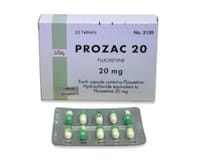
Buy Prozac Online: Compare Best Prices and Pharmacy Deals
Navigating the Cost of Prozac in Today’s Market
Staring at a pharmacy receipt can feel like watching your bank account take a sudden, unexpected dive. When it comes to fluoxetine, the price tag depends heavily on whether you reach for the brand-name bottle or the generic equivalent. Managing mental health while balancing a monthly budget is a common headache for many patients.
On average, a generic version of fluoxetine costs between $4 and $20 per month. This is a massive difference from the brand-name Prozac, which can run much higher depending on your specific insurance coverage. For many, the choice is a no-brainer, but the math isn’t always as simple as it looks on paper.
Choosing between brand-name and generics is a bit like deciding between a boutique coffee shop and your local diner. Both get the job done, but one carries a premium for the label. Since generic fluoxetine is chemically identical to Prozac, most doctors see no reason to pay the extra “brand tax” if you are watching your pennies.
The reality is that prices are never set in stone. You might find that the pharmacy on the corner charges more than the big-box retailer down the street. It’s much like gas prices; they shift depending on where you are standing and how much you are buying at once.
- Insurance Coverage: Your plan’s formulary determines if the drug is a “preferred” or “non-preferred” item.
- Pharmacy Location: Independent shops sometimes lack the massive negotiating power of large chains.
- Tier Placement: High-tier placement on a formulary can lead to much higher co-pays for the patient.
If your insurance is playing hardball, don’t throw in the towel just yet. Discount coupons and manufacturer programs can be lifesavers when out-of-pocket expenses start to climb. These tools often make expensive prescriptions suddenly feel much more manageable for the average family.
Many people forget that digital coupons can slash prices significantly at the register. You can often find these through various pharmacy apps or third-party discount websites. Spending five minutes on your phone to save a handful of dollars is a small price to pay for peace of mind.
When you look at the big picture, mail-order pharmacy services often emerge as the best way to protect your wallet. By ordering a 90-day supply instead of a 30-day refill, you can often bypass the high costs of individual monthly transactions. It’s a “set it and forget it” method that saves both time and cash.
In many cases, mail-order services offer a tiered pricing structure that rewards bulk orders. Instead of paying a premium every single month, your total annual expenditure might drop quite noticeably. It turns a monthly stressor into a predictable, automated part of your healthcare routine.
| Option | Estimated Monthly Cost | Best For |
| Brand-Name Prozac | $50 – $150+ | Patients with premium insurance |
| Generic Fluoxetine | $4 – $20 | Maximizing monthly savings |
| Mail-Order (90-day) | $10 – $30 (prorated) | Long-term convenience |
Dosage Protocols and Common Usage Scenarios
Stepping into the world of psychiatric medication often feels like trying to navigate a dense fog without a compass. When a doctor first prescribes Prozac for major depressive disorder, they typically start with a “low and slow” approach. A standard starting dose is often 20 mg once daily to help your body acclimate to the chemical changes.
Think of this initial phase as testing the waters before diving into the deep end. For many, this 20 mg dose is the “sweet spot” where benefits begin to outweigh the side effects. However, everyone’s internal chemistry is a unique puzzle, and what works for your neighbor might not work for you.
If the initial dose feels like a mere drop in the ocean, your physician might decide to nudge the dosage upward. This titration process is carefully monitored to ensure you are finding the therapeutic window without overshooting. It is a delicate balance between clinical efficacy and minimizing discomfort.
For those battling obsessive-compulsive disorder (OCD), the roadmap often looks quite different. OCD typically requires a heavier lift, meaning doctors often prescribe higher dosages than those used for depression. You might find yourself moving into the 40 mg to 60 mg range to find relief from intrusive thoughts.
Managing OCD with medication is less like a sprint and more like a marathon. Because the symptoms of OCD can be so stubborn, finding the right milligram level can take a bit of trial and error. It is vital to stay patient, as these higher doses are often necessary to quiet the mental noise.
Timing your dose is a small decision that can have a massive impact on your nightly rest. Many people find that taking Prozac in the morning keeps them feeling steady throughout the day. If you find that the medication makes you feel wired or jittery, morning administration is your best friend.
On the flip side, if the pill makes you feel like you’ve been hit by a wave of drowsiness, evening administration might be the way to go. Some find that taking it at night helps them sleep through any initial “foggy” feelings. It is all about listening to your body’s internal clock.
Patience is the name of the game when waiting for the medication to actually kick in. You won’t wake up tomorrow feeling like a brand-new person; it is not a magic wand. Typically, it takes about two to four weeks to notice a subtle shift in your mood or energy levels.
Full therapeutic effects can actually take six to eight weeks to truly settle in. It is easy to get discouraged during those first few weeks when you feel no different, but don’t throw in the towel just yet. Your brain is essentially rewiring its communication pathways, and that takes time.
Keep a close eye on how you are feeling and watch for any red flags that suggest your dosage needs a tweak. If you feel a sudden surge of anxiety, or perhaps a complete lack of emotional response, it’s time to call the doctor. Sometimes the “dose is too high” or “too low” can be a fine line.
Watch out for signs like increased restlessness, significant changes in appetite, or even a sudden dip in sleep quality. These aren’t necessarily reasons to panic, but they are signals that your current protocol might need an adjustment. Always consult your physician before making any sudden changes to your regimen.
Below is a comparison of typical monthly costs for different prescription fulfillment methods based on recent market trends.
| Fulfillment Method | Monthly Price Estimate | Primary Benefit |
|---|---|---|
| Local Pharmacy (Retail) | $25 – $45 | Immediate availability |
| Insurance Co-pay (Standard) | $10 – $30 | Predictable monthly cost |
| Discount Coupon Plan | $5 – $15 | Lowest out-of-pocket cost |
| Mail-Order Pharmacy | $15 – $25 | Maximum convenience |
Comparing Prozac with Other SSRIs
Choosing between different antidepressants can feel like trying to pick a winner in a race where everyone is running at different speeds. While all SSRIs aim to boost serotonin, they don’t all cross the finish line at the same time. Understanding these nuances is key to finding your personal rhythm in mental wellness.
Fluoxetine, the active ingredient in Prozac, is a bit of a marathon runner compared to its peers. It has an exceptionally long half-life, meaning it stays in your system much longer than other medications. This provides a built-in cushion if you happen to miss a dose by a few hours or even a day.
Sertraline, often known as Zoloft, works quite differently in the body. Its half-life is much shorter, making it a “sprint” medication. If you miss a dose of Sertraline, you might feel the dip in your mood much sooner than someone on Prozac. It requires a more consistent, clockwork approach to daily dosing.
Energy and Vitality Factors
If you wake up every morning feeling like you are wading through thick molasses, your doctor might lean toward Prozac. Many patients report that this specific medication feels more activating or stimulating. It can provide that gentle nudge of energy needed to tackle the day’s mounting responsibilities.
In contrast, other SSRIs can sometimes leave you feeling a bit like a zombie or tucked under a heavy blanket. While this might be helpful for someone struggling with high-octane anxiety, it can be a real drag for those battling lethargy. Finding the right vibe for your energy levels is vital.
Doctors often weigh these side effect profiles carefully when tailoring a treatment plan. They look at whether your depression is characterized by sadness and crying spells, or by a complete lack of motivation and physical heaviness. The goal is to match the medication’s natural tempo to your biological needs.
Specialized Uses and Side Effects
When it comes to treating bulimia nervosa, Prozac often takes center stage. It has a proven track record in reducing the frequency of binge-eating and purging behaviors. It is a heavyweight champion in this specific niche, often outperforming other options when it comes to stabilizing eating patterns.
Escitalopram, commonly known as Lexapro, is another heavy hitter in the SSRI family. While it is incredibly effective for generalized anxiety, it may not have the same specialized edge for bulimia that Prozac offers. It is a precision tool for anxiety, whereas Prozac can be a multi-purpose Swiss Army knife.
Side effects vary wildly from person to person, making every experience unique. Some might find Sertraline causes more GI upset, such as an unsettled stomach, while others might find Escitalopram leads to more drowsiness. It is not a one-size-fits-all scenario; it is a highly individualized journey of trial and error.
Navigating the Weight Gain Scale
One of the most common concerns when switching medications is the dreaded scale. Some SSRIs are notorious for causing weight gain, often due to changes in metabolism or increased appetite. This can be a significant deterrent for patients who are already sensitive to body composition changes.
Prozac is often considered to be more weight-neutral compared to some of its cousins. This makes it a frequent choice for those who are worried about metabolic shifts. If you are moving from a medication that caused extra pounds, switching to Prozac might feel like a breath of fresh air.
However, every body reacts differently to these chemical shifts. While one person might stay exactly the same weight, another might see a slight uptick. Always keep a food diary and stay in close contact with your physician if you notice significant changes in your appetite or weight.
Safe Acquisition and Shipping Logistics
Navigating the digital pharmacy landscape can feel like walking through a minefield without a map. You might be tempted by a slick website offering “no prescription required” deals, but beware. These are often red flags waving in a storm. Legally, a valid prescription from a licensed healthcare provider is the golden ticket for purchasing Prozac.
Attempting to bypass the doctor-patient relationship by skipping the prescription is a dangerous gamble. Not only is it illegal in many jurisdictions, but it also bypasses the crucial safety check that ensures the medication is actually right for your unique biology. You don’t want to be self-prescribing a potent chemical without professional guidance.
Think of your doctor as the navigator on a ship. They ensure the cargo you are loading is safe for the journey ahead. Without that official paperwork, you are essentially sailing into uncharted waters without a compass. Always ensure your online pharmacy requires a legitimate, verifiable prescription to maintain your safety and legal standing.
Verifying Pharmacy Legitimacy
The internet is a vast ocean, and unfortunately, some corners are filled with counterfeiters looking to make a quick buck. Counterfeit medications are the wolves in sheep’s clothing of the pharmaceutical world. They might look identical to the real thing, but they could contain nothing more than chalk or, worse, dangerous impurities.
To avoid these pitfalls, look for the “VIPPS” seal or check for registration with the National Association of Boards of Pharmacy. A legitimate pharmacy will always have a physical address and a working phone number. If a site seems too good to be true—like a basement operation offering $5 pills—it probably is.
Don’t be afraid to play detective. Check for customer reviews on independent third-party sites rather than just trusting the testimonials on the pharmacy’s own homepage. A reputable vendor will be transparent about their licensing and won’t shy away from answering your questions regarding their credentials and physical location.
If you encounter a site that refuses to ask for your prescription or lacks clear contact information, close the tab immediately. It is better to spend a little more with a known entity than to lose your hard-earned money to a scammer. Protecting your wallet is important, but protecting your health is paramount.
Shipping Times and Logistics
Once you have successfully ordered your medication, the waiting game begins. The timeline for your package to arrive depends heavily on whether your order is staying domestic or crossing an ocean. If you are ordering within your own country, you can usually expect a relatively quick turnaround.
Domestic shipping is often a breeze, typically arriving within 3 to 7 business days. For those who need their refills urgently, many reputable pharmacies offer expedited options. These premium services can sometimes get your package to your doorstep in as little as 2 days, though they come with a higher price tag.
International shipping, however, is a different beast entirely. When your Prozac has to travel across borders, expect delays due to customs inspections and international transit protocols. This can take anywhere from 2 to 4 weeks. It is wise to order your refills early to avoid a gap in your treatment.
| Shipping Type | Estimated Time | Typical Cost |
| Domestic Standard | 3 – 7 Days | $5 – $10 |
| Domestic Express | 1 – 3 Days | $20 – $40 |
| International | 14 – 30 Days | $15 – $50 |
Maintaining Medication Integrity
Medication is a delicate guest; it doesn’t like extreme environments. Prozac is sensitive to heat and moisture, which can cause the chemical compounds to break down. This degradation can turn a life-changing medication into something that is either ineffective or potentially harmful to your system.
When your order is in transit, it needs proper packaging to act as a shield. High-quality pharmacies use specialized, insulated containers to maintain a stable temperature. If you live in a region with blistering heat or freezing winters, ensure your pharmacy uses climate-controlled shipping methods to protect the pills.
Once the package arrives, keep the medication in its original container in a cool, dry place. Avoid the “bathroom cabinet trap”—the humidity from showers can be a silent killer for pill stability. A cool, dark drawer in a bedroom is usually the safest harbor for your prescription.
Tracking Your Prescription
The anxiety of waiting for a package can be taxing, but modern logistics offer a way to breathe easy. Most legitimate pharmacies provide a tracking number as soon as your order leaves the warehouse. This number is your digital breadcrumb trail through the shipping process.
You can use this number on the carrier’s website to see exactly where your package is sitting. Is it in a sorting facility in Chicago? Is it currently clearing customs in London? Knowing its location helps you prepare for its arrival and provides peace of mind that your medicine is on its way.
If your tracking information hasn’t updated in several days, don’t panic immediately, but do stay vigilant. Reach out to the pharmacy’s customer service department to inquire about the delay. They can often provide more granular details or help resolve issues if a package seems to have gone MIA in the system.
Managing Side Effects and Transitioning
Navigating the Initial Adjustment Period
Stepping into a new medication regimen can feel like learning to ride a bike without training wheels. For many, the first few weeks involve a bit of a bumpy ride. You might experience a fluttery, jittery sensation in your chest or a nagging sense of nausea that refuses to quit. It is like your body is trying to recalibrate its internal compass.
These early hiccups are often just your nervous system getting used to the new chemical landscape. Think of it as a temporary storm before the skies clear. While the feeling of being “wired” or having an unsettled stomach is common, it usually settles down once your body realizes there is no actual threat. Patience is your best friend during this phase.
Some people find that taking their dose with a substantial meal acts like an anchor, calming that unsettled stomach. If you feel like you are vibrating on a different frequency, it might help to adjust the timing of your dose. Small tweaks to your daily routine can often turn a turbulent start into a smooth transition.
If these sensations persist beyond the initial two-week window, it is time to have a chat with your doctor. They might suggest a lower starting dose or a different timing strategy. Never try to “tough it out” if the discomfort feels overwhelming or if your mood takes a sudden, sharp dive during this period.
Addressing Sleep and Dream Disturbances
Sleep is the foundation of mental well-being, yet Prozac can sometimes act like an uninvited guest in your bedroom. Some users report that their dreams become incredibly vivid, colorful, and occasionally quite strange. It is as if your subconscious has turned the volume up to maximum while you are trying to rest.
Insomnia is another common shadow that follows some patients. You might find yourself staring at the ceiling at 3:00 AM, feeling wide awake despite a long day. To combat this, many find success by taking their medication first thing in the morning. This keeps the stimulating effects from clashing with your natural bedtime rhythm.
If dreams become too intense or nightmare-heavy, try to establish a very strict “wind-down” ritual. Dim the lights, put away the screens, and create a sanctuary of calm. Reducing sensory input before bed can help signal to your brain that it is time to dim the lights on those vivid mental movies.
Consistency is the name of the game when it comes to rest. Try to go to bed and wake up at the same time every single day. This helps regulate your circadian rhythm, making it easier for your brain to transition from the medication’s influence into a deep, restful state of sleep.
The Importance of a Controlled Exit
When you feel like you are finally standing on solid ground, the temptation to stop taking your medication abruptly can be incredibly strong. You might think, “I feel great, so I don’t need this anymore.” However, pulling the plug without a plan is like stopping a speeding car without hitting the brakes.
Stopping suddenly can trigger what doctors call “discontinuation syndrome.” This isn’t just a minor inconvenience; it can feel like a physical and emotional rollercoaster. You might experience dizziness, “brain zaps” that feel like tiny electric shocks, irritability, or a sudden return of the very symptoms you were treating in the first place.
Your brain has spent time adapting to the presence of the medication. Removing it overnight creates a chemical vacuum that your system isn’t prepared to handle. It is a biological shock that can lead to significant distress, making the transition much harder than it ever needed to be if handled correctly.
Always view medication changes as a slow, deliberate conversation between you and your doctor. They will design a tapering schedule that gently lowers your dose over weeks or even months. This slow descent allows your brain to recalibrate its natural neurochemistry without the jarring impact of a sudden chemical drop.
When to Seek Medical Guidance
While most side effects are minor nuisances, there are certain red flags that require immediate attention. If you experience a sudden rash, swelling, or any difficulty breathing, treat it as an emergency. These could be signs of an allergic reaction, and you shouldn’t wait around to see if they pass.
Keep a close eye on your mental state during the transition or when starting a new dose. If you notice a sudden surge in suicidal thoughts, extreme agitation, or a manic burst of energy, contact your healthcare provider immediately. These are serious signals that the medication may not be the right fit for your unique biology.
You should also reach out if you notice significant changes in your appetite or weight that seem unusual. While some weight fluctuation is common, anything that feels drastic or uncontrolled deserves a professional opinion. Your doctor is there to help you navigate these waters, so don’t feel like you are being a nuisance.
It is always better to over-communicate than to suffer in silence. If something feels “off,” even if you can’t quite put your finger on it, make that phone call. Managing your mental health is a marathon, not a sprint, and having a professional partner is essential for your long-term success.
Long-term Maintenance and Lifestyle Integration
The Marathon of Mental Wellness
For those battling chronic anxiety, Prozac often acts less like a temporary fix and more like a steady anchor. Maintenance therapy is the practice of continuing medication even when you feel “fine.” It serves as a safety net, preventing the waves of panic from crashing over you when life inevitably gets heavy.
Think of it as maintaining a garden. You don’t stop weeding just because the flowers look healthy today; you keep up the work to ensure they don’t succumb to the weeds tomorrow. For many, this long-term approach provides the stability needed to engage fully in life without being constantly sidelined by dread.
However, this isn’t a one-size-fits-all situation. The goal is to find a baseline where you feel capable and resilient. Your doctor will help you determine if you are in a maintenance phase or if your treatment plan needs a subtle adjustment to keep those anxiety clouds at bay.
It is vital to remember that “maintenance” doesn’t mean “set it and forget it.” You must remain an active participant in your own care. Regularly checking in with your provider ensures that your dosage remains effective as your life circumstances and physiological needs evolve over the years.
Navigating Social Life and Substances
The temptation to enjoy a cocktail after a long week is universal, but alcohol and Prozac often dance a clumsy tango. Alcohol is a central nervous system depressant, which is the exact opposite of what you want when managing anxiety. It can essentially “undo” the hard work the medication is doing.
When you mix the two, you might find that your anxiety returns with a vengeance once the buzz wears off. Some people report that the medication makes the effects of alcohol much more intense. It’s as if your tolerance has suddenly taken a permanent vacation, leaving you feeling unexpectedly intoxicated.
If you do choose to drink, moderation is your best friend. It is wise to test the waters in a safe environment first. Observe how your mood shifts the following day. If you notice a significant dip in your mental clarity or an increase in jitteriness, you may need to rethink your relationship with alcohol.
Ultimately, the choice is yours, but being aware of the interaction is crucial. You shouldn’t treat the medication like a shield that makes you immune to the effects of spirits. Instead, view it as a delicate balance that requires a bit of extra mindfulness during social gatherings.
The Synergy of Therapy and Medication
While Prozac can help level the playing field by calming the physiological symptoms of anxiety, it doesn’t teach you how to navigate life’s storms. This is where talk therapy steps in to provide the actual tools for the job. Think of the medication as the life jacket and therapy as the swimming lessons.
Medication addresses the “hardware” issues—the chemical imbalances in the brain. Therapy addresses the “software”—the thought patterns, coping mechanisms, and trauma that fuel your anxiety. When used together, they create a powerful synergy that often produces much better outcomes than either method could achieve alone.
A therapist can help you identify the triggers that the medication might be masking. Without that cognitive work, you might find yourself feeling “calm” but still lacking the skills to handle a sudden crisis. Integrating both approaches ensures you are treating the whole person, not just a set of symptoms.
Don’t view needing both as a sign of failure. In fact, it is a proactive strategy for long-term success. Many people find that once they have mastered certain coping skills in therapy, they and their doctors can eventually discuss tapering down their medication dose over time.
Monitoring the Emotional Spectrum
One side effect that often catches people off guard is “emotional blunting.” This isn’t necessarily a bad thing if you were previously overwhelmed by intense highs and lows, but it can feel like your world has lost its color. It’s as if someone turned down the brightness on your emotional life.
You might find that you no longer feel deep sorrow, but you also struggle to feel true joy. If you start feeling like an observer in your own life rather than a participant, it is time to speak up. This is a common adjustment that can often be corrected by a slight dosage change.
Another area to watch closely is your libido. Changes in sexual desire or function are frequent complaints among long-term users. While this can be frustrating and impact your intimacy with a partner, it is a known side effect that medical professionals are well-equipped to manage through different strategies.
Keep a simple journal or use a mood-tracking app to note these shifts. Being able to tell your doctor, “I feel 20% less joyful than I did three months ago,” is much more helpful than saying, “I just feel weird.” Precision helps your doctor tailor your treatment to your specific needs.
Managing Your Monthly Wellness Budget
Staying consistent with your prescription requires a bit of financial foresight. While generic versions of Prozac are often quite affordable, the cumulative cost over several years can add up. It is helpful to treat your mental health medication as a fixed, non-negotiable monthly utility, much like electricity or water.
To keep your costs predictable, consider working with your pharmacist to understand your options. Using a 90-day supply can often be more cost-effective than picking up a 30-day bottle every single month. Small savings on the front end can prevent a significant headache when you are looking at a yearly budget.
Below is a sample breakdown of how you might structure your monthly pharmaceutical and wellness budget to ensure you are never caught off guard by unexpected costs:
| Expense Category | Estimated Monthly Cost (USD) | Purpose |
| Prescription Medication | $15 – $40 | Daily maintenance dose |
| Therapy Co-pay | $30 – $60 | Ongoing mental health support |
| Wellness Supplements | $20 – $50 | Nutritional support (if advised) |
| Total Estimated | $65 – $150 | Monthly Wellness Baseline |
Always check with your insurance provider regarding your specific coverage for mental health services and pharmacy tiers. Unexpected changes in premiums or coverage can occur, so having a small “buffer fund” in your savings can provide peace of mind that mirrors the stability you are seeking in your mental health.
Contact & directions
Address:
3555 North Colorado Boulevard,
Denver, CO 80205, USA
Comments
[…] Prozac […]