
Buy Ventolin Online: Best Prices and Fast Delivery
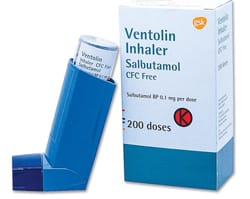
Buy Ventolin Online: Best Prices and Fast Delivery
Navigating Ventolin Dosage and Administration
Mastering the Mechanics of Delivery
Think of your inhaler as a precision instrument rather than a simple pill. When using a Metered Dose Inhaler (MDI), you must coordinate your breath with the puff. Shake the canister vigorously for a few seconds to mix the propellant. Press down firmly on the canister while simultaneously taking a slow, deep breath to ensure the mist reaches your lungs.
Dry Powder Inhalers (DPIs), on the other hand, are a different beast entirely. They don’t rely on a propellant to deliver the dose. Instead, you must use your own lung power to inhale the powder quickly and forcefully. It is a bit like blowing out a candle, but with a much more deliberate, steady suction to pull the medicine deep into the airways.
If you find yourself struggling to sync your breath with the MDI spray, a spacer can be a lifesaver. It acts as a chamber, holding the medication so you can breathe it in more easily. Many patients find that using a spacer makes the whole process feel less like a race and more like a controlled, steady ritual.
Common pitfalls often involve the “quick puff” mistake. Many users exhale completely before they even touch the inhaler to their lips. This is a mistake. You should instead take a small breath out first, then begin the inhalation as the medication is released. If you don’t get it right, you’re essentially just spraying medicine into your mouth instead of your lungs.
Patterns of Use and Timing
When an asthma attack strikes, the goal is immediate relief. This is the “rescue” phase where you might need to take several puffs in quick succession to open up those tight, constricted airways. It is a frantic moment, but you must try to remain calm to ensure your breathing pattern remains effective for the medication.
Maintenance, however, is a much slower dance. While Ventolin is primarily a rescue medication, some doctors may suggest a preventative pattern if symptoms are frequent. You should never use your rescue inhaler as a substitute for a daily maintenance controller. Using a rescue inhaler every single day to prevent symptoms is a major red flag for your respiratory health.
To help you keep track, consider this general breakdown of how usage typically shifts based on your current respiratory state:
| Condition State | Typical Usage Pattern | Primary Goal |
| Acute Attack | Immediate, frequent puffs as directed | Rapid airway dilation |
| Maintenance | Occasional use for sudden triggers | Symptom management |
The Danger of Over-Reliance
There is a fine line between being prepared and being dependent. If you find yourself reaching for your blue inhaler more than twice a week, your asthma might not be under control. It is like constantly putting out small fires instead of fixing the faulty wiring that started them. Frequent use suggests your underlying inflammation is still running wild.
Watch out for the “jitters” or a racing heart. While a slightly elevated heart rate is a common side effect, if you feel like your heart is doing a marathon while you are sitting still, you are likely taking too much. This is your body’s way of shouting that you are overdoing it on the bronchodilators.
Ignoring these signs can lead to a dangerous cycle of escalating doses. If your rescue inhaler feels like it is losing its “punch,” do not just take more. This is a signal to call your doctor immediately. They may need to adjust your long-term controller medication to get your lungs back on a steady, predictable path toward health.
Ventolin Pricing and Cost Breakdown in USD
The Price of Breathing Easy
Opening your wallet for a 90-inhaler pack of Ventolin can feel like a punch to the gut. In the current US market, you might see retail prices swinging wildly between $40 and $60 for a single unit. However, when buying in larger quantities or through specific pharmacy channels, the numbers can shift significantly.
It is a bit of a gamble when you walk into a corner drugstore without a plan. Some people report paying upwards of $70 for a single canister if they are caught without insurance. It is a steep price to pay for something that essentially keeps your airways open during a crisis.
The “sticker shock” is real for many families living with chronic asthma. Because these are life-saving rescue medications, the demand remains incredibly high. This high demand often keeps the baseline cost from dropping as low as other, non-emergency medications might in a competitive market.
Understanding these ranges is the first step to avoiding a financial headache. While the retail price is a starting point, it is rarely the final number you will actually pay at the register. Knowing the difference between a manufacturer’s list price and your actual out-of-pocket cost is vital for your budget.
Generic vs. Brand Name
When you stand at the pharmacy counter, the pharmacist might ask if you want the brand-name Ventolin or the generic Albuterol. This is where you can save a significant amount of money. Generic Albuterol is the same active ingredient, just without the fancy blue logo on the canister.
Think of it like buying name-brand cereal versus the store brand. They both do the job, but one comes with a premium price tag for the packaging and the name. For many, the generic version is the smarter, more economical choice for long-term management.
The cost difference can be quite staggering when you look at the long term. While the immediate relief is identical, the cumulative savings of choosing generic can add up to hundreds of dollars over a single year. It is one of the easiest ways to trim your medical expenses.
However, some patients are very picky about their delivery systems. They might find that the generic canister has a slightly different spray pattern or resistance. Always test a generic version first to ensure you are comfortable with the sensation of the mist entering your lungs.
The following table provides a rough estimate of how different purchasing options might impact your wallet:
| Purchase Option | Estimated Cost | Primary Benefit |
| Brand-Name Ventolin (90-count) | $55 – $75 | Brand recognition/familiarity |
| Generic Albuterol (90-count) | $25 – $45 | Significant cost savings |
| Pharmacy Coupon/Discount | $15 – $30 | Immediate price reduction |
| Insurance Co-pay (Standard) | $10 – $25 | Predictable out-of-pocket cost |
Variables That Sway the Total
Why does the price change so much from one town to the next? Location is a massive factor. A pharmacy in a high-traffic metropolitan area or a fancy shopping mall often carries higher overhead, which they pass directly on to you. It is a frustrating reality of the retail landscape.
Your insurance coverage plays perhaps the biggest role in your final bill. Some plans treat Ventolin as a “preferred” medication, meaning your co-pay might only be a few dollars. Other plans might categorize it as a non-preferred item, forcing you to pay a much larger share of the cost.
Don’t forget about the pharmacy type either. Big-box retailers and large national chains often have different contract agreements with insurance companies than your small, local independent pharmacy. It is worth calling around to see which shop offers the most favorable terms for your specific plan.
Seasonal fluctuations can also play a part. During peak allergy seasons or when flu trends rise, the sheer volume of people needing rescue inhalers can put a strain on local supplies and pricing. Being proactive by stocking up during “quiet” months can sometimes help you avoid sudden price hikes.
Smart Ways to Shop for Relief
You don’t have to just accept whatever price the pharmacist tells you. One of the best ways to find a deal is to use prescription discount cards or mobile apps. These can often shave a significant chunk off the retail price, sometimes even beating your insurance co-pay.
Comparing prices online before you leave your house is another pro move. Many large online pharmacies allow you to see a price estimate before you even submit a prescription. This allows you to shop around and find the best deal without walking from store to store.
Always ask your doctor if they can write your prescription for the generic version. Sometimes, if a doctor specifies “Brand Name Only” on the script, the pharmacist is legally required to charge you the higher price. A simple request for “Generic Equivalent Permitted” can save you a lot of cash.
Finally, look into manufacturer assistance programs. Some companies offer coupons or even direct assistance for patients who find the costs of their medications to be an insurmountable barrier. It might take a little extra paperwork, but it is a powerful tool in your financial toolkit.
Sourcing and Safe Online Purchasing Options
Navigating the digital pharmacy landscape can feel like walking through a minefield without a map. It is incredibly easy to stumble upon a website that looks professional, complete with polished graphics and glowing testimonials. However, appearances are often deceiving in the corners of the internet where rogue vendors operate without oversight.
The chasm between a licensed online pharmacy and an unregulated website is a matter of life and death. Licensed vendors follow strict protocols, ensuring every canister is stored in a climate-controlled environment. Unregulated sites, on the other hand, might ship your life-saving medication from a dusty warehouse halfway across the globe, risking total degradation.
Buying from an illegitimate source is a gamble you simply cannot afford to take. You might receive a counterfeit product that contains zero active ingredients, leaving you gasping during an asthma attack. It is better to pay a premium for peace of mind than to settle for a “bargain” that fails when you need it most.
Always look for the “elephant in the room”: the digital credentials. A legitimate pharmacy will prominently display its accreditation from recognized bodies like the National Association of Boards of Pharmacy (NABP). If a site lacks these seals or refuses to provide a physical address, consider it a massive red flag. Trust your gut.
Checking for a “VIP” pharmacy seal is your first line of defense. Furthermore, verify that the website uses secure encryption for all financial transactions. If you see a “Not Secure” warning in your browser while trying to enter your credit card details, close that tab immediately and run the other way.
Another foolproof method is to cross-reference the vendor’s name with official government databases. Many state boards of pharmacy maintain searchable lists of licensed entities. If the name doesn’t pop up in their records, you are essentially throwing your hard-earned money into a black hole without any legal recourse.
Once you find a reputable vendor, you must consider the logistics of the journey. Ventolin is a sensitive medication that demands a stable environment. Extreme heat can cause the propellant to fail or the medicine to degrade, rendering the inhaler useless. You cannot simply toss it in a hot mailbox and hope for the best.
Expect typical shipping timelines to range from three to ten business days for domestic orders. Many high-quality pharmacies offer expedited shipping options, which might cost an extra $15 to $25, but it ensures your medication doesn’t sit in a sorting facility for a week. It is worth the extra bit of cash.
When tracking your package, pay close attention to the handling instructions. Reliable pharmacies often use insulated packaging or specialized thermal liners to maintain a consistent temperature. If your delivery arrives looking like it sat in a sauna, contact the provider immediately to discuss a replacement or a full refund.
It is important to remember that an online pharmacy is not a shortcut around the law. You cannot simply add a rescue inhaler to a digital shopping cart like you would a pair of socks. A valid, legal prescription from a licensed healthcare provider is the absolute bedrock of a safe transaction.
Legitimate online pharmacies will always require you to upload a prescription or undergo a consultation with a physician. This step is non-negotiable for safety. It ensures that the medication being sent is actually appropriate for your medical history and that you are using it under professional guidance.
If a website offers to sell you Ventolin without asking for a doctor’s note, they are operating illegally. These “no prescription required” sites are almost certainly selling counterfeit or expired drugs. Do not be tempted by the ease of the transaction; the risks to your respiratory health are far too high.
Comparing Ventolin to Other Bronchodilators
The Difference Between Rescue and Maintenance
Think of your lungs like a busy highway. Sometimes, a sudden storm hits, and traffic comes to a complete standstill. In these moments of panic, you need a rapid responder to clear the path. This is where Ventolin, or albuterol, shines. It acts like an emergency siren, quickly opening the airways when breathing becomes a struggle.
On the other hand, long-acting beta-agonists (LABA) are like the steady, calm traffic lights that manage the flow all day long. They don’t react to sudden crises; instead, they provide a baseline of stability. While Ventolin is your “fire extinguisher,” a LABA is your “smoke detector” and preventative measure for daily management.
Using a rescue inhaler as a daily controller is a dangerous mistake. Many patients mistakenly rely on Ventolin every single morning because they feel tight. If you find yourself reaching for that blue canister more than twice a week, your asthma is likely poorly controlled. You are essentially trying to put out a forest fire with a water pistol.
A proper regimen usually involves a daily controller medication to keep inflammation down. This prevents the “flare-ups” before they even start. Relying solely on Ventolin can lead to a “rebound” effect where your lungs become increasingly sensitive to triggers. It is a slippery slope that ends in a hospital visit rather than a walk in the park.
Inhalers versus Nebulizers
When the air gets thin, the method of delivery matters as much as the medicine itself. An inhaler is your portable companion, perfect for a quick fix while you are on the go. It is small enough to fit in a pocket, making it ideal for sudden triggers like pollen or pet dander during a hike.
However, nebulizers are the heavy hitters of the respiratory world. These machines turn liquid medication into a fine mist that you breathe in through a mask or mouthpiece. They are often preferred for young children or elderly patients who might struggle with the coordination required to use a standard Metered Dose Inhaler (MDI).
There is a trade-off between convenience and volume. An inhaler is lightning-fast, providing relief in minutes for a cost that might range from $20 to $50 per canister. A nebulizer setup can be more cumbersome and expensive to maintain, but it delivers a larger, more consistent dose of the medication directly into the deep lung tissue.
In a clinical setting, a doctor might choose a nebulizer if a patient is in the middle of a severe, acute attack. When you are gasping for air, the fine mist of a nebulizer can be more effective than the short puff of an inhaler. It takes the guesswork out of inhalation technique when every second counts.
Choosing the Right Tool for the Moment
Clinical scenarios often dictate which tool wins the day. If you are exercising and feel a tightness in your chest, Ventolin is your best friend. It works almost instantly to relax the smooth muscles around your airways. It is the “quick fix” that keeps you from having to stop your activity abruptly.
Conversely, if you have chronic obstructive pulmonary disease (COPD) or persistent asthma, a combination of a LABA and a corticosteroid is the gold standard. These medications work behind the scenes to keep the “pipes” open and the inflammation low. Using them is like maintaining a car’s engine regularly rather than waiting for it to smoke on the highway.
Consider these common scenarios to understand the distinction:
- Sudden Allergic Reaction: Ventolin (Rescue) is essential for immediate relief.
- Daily Morning Tightness: A LABA or inhaled steroid (Controller) is required.
- Severe Emergency Room Visit: A nebulizer is often used for maximum dose delivery.
- Preventative Maintenance: Daily controllers are used to stop attacks before they start.
Ultimately, the goal is to use the right tool at the right time. Relying on a rescue inhaler for daily symptoms is like using a bandage to treat a broken bone. It might hide the problem for a moment, but it won’t fix the underlying issue. Always follow your physician’s specific plan to keep your breathing steady and your lungs happy.
Managing Emergency Use and Side Effect Risks
Sometimes, it feels like you are fighting a losing battle against the air itself. You take a puff of your blue canister, wait for the relief to wash over you, but nothing happens. If that sensation of chest tightness persists or if your breathing remains shallow and labored, your Ventolin might be failing to do its job.
This lack of response is a major red flag. It suggests that the inflammation in your airways has become too stubborn for a quick fix. When your rescue inhaler feels like a mere placebo, you are no longer in a “manageable” situation; you are entering the danger zone where medical intervention becomes non-negotiable.
Don’t try to be a hero by taking extra puffs in a desperate attempt to catch your breath. If the medication doesn’t provide the expected relief within a few minutes, your body is signaling a crisis. It is better to admit the “fire extinguisher” is empty than to wait until you cannot speak in full sentences.
When to Call for Help Immediately
There is a specific line between a “tight chest” and a true medical emergency. If you find yourself struggling to speak more than a few words at a time, that is your body’s alarm bell. This inability to complete a sentence is a classic sign that your oxygen levels may be dropping dangerously low.
Pay close attention to your fingernails and lips. If they start to take on a bluish or gray tint, this is called cyanosis, and it is a dire emergency. This discoloration means your blood is starving for oxygen. Do not wait for an ambulance to arrive before you start seeking help; every second is precious.
Other critical signs include a rapid, shallow breathing pattern that doesn’t resolve with medication, or if you feel a sense of impending doom. This intense anxiety often accompanies severe respiratory distress. If you experience these, skip the phone calls and head straight to the nearest emergency room or call emergency services immediately.
Use this checklist to decide your next move during a flare-up:
- Moderate Attack: Tightness, wheezing, and coughing; use Ventolin and monitor closely.
- Severe Attack: Gasping for air, unable to talk in full sentences, or rapid heart rate.
- Life-Threatening Emergency: Bluish lips/fingernails, extreme exhaustion, or no response to Ventolin.
Navigating the Jitters and Heart Rate
Ventolin is a bit of a double-edged sword. While it opens your airways, it also sends a jolt through your nervous system. It is quite common to experience “the shakes”—a fine tremor in your hands—or a racing, pounding heart. It can feel like you’ve had far too much espresso on an empty stomach.
This physiological “buzz” is usually temporary and should subside as the medication wears off. However, feeling jittery or experiencing palpitations can be quite unsettling. It is important to remember that these are known side effects of the beta-agonist, not necessarily a sign that your heart is failing, provided you follow your doctor’s guidance.
If these sensations feel overwhelming or are accompanied by chest pain, do not ignore them. While most people find the jitters manageable, a sudden, intense racing heart requires professional evaluation. Always keep a log of how these side effects feel so you can discuss the intensity with your physician during your next check-up.
The Toll of Frequent Rescue Use
Relying too heavily on your rescue inhaler can lead to a physiological phenomenon where your lungs become “numb” to the medication. If you are using Ventolin several times a day, you are essentially training your receptors to stop responding. This makes your asthma significantly harder to control over time.
There is also a metabolic cost to frequent use. Constant stimulation of your beta-receptors can lead to electrolyte imbalances, particularly low potassium levels. This can cause muscle weakness or even irregular heart rhythms. It is a heavy price to pay for a temporary sense of relief that doesn’t address the core issue.
Managing this impact requires a shift in your long-term strategy. If you find yourself reaching for the inhaler because you are “always” feeling tight, it is time to talk to your doctor about your daily controller. A well-managed asthma plan should make the blue canister a rare tool, not a constant companion.
| Symptom Category | Common Side Effect | Action Required |
| Neurological | Tremors, Jitteriness, Anxiety | Monitor; discuss with doctor |
| Cardiovascular | Rapid Heartbeat, Palpitations | Seek medical advice if persistent |
| Metabolic | Low Potassium, Muscle Cramps | Consult physician regarding diet/meds |
Optimizing Your Inhaler Storage and Maintenance
Think of your Ventolin like a fine piece of machinery; it requires the right environment to function at its peak. Heat is the ultimate enemy here. Leaving your inhaler in a hot car or near a sunny window can degrade the medication, turning your lifeline into a useless piece of plastic and metal.
Temperature fluctuations are like a silent thief, stealing the potency of the aerosol propellant. Aim for a cool, dry place, ideally at room temperature. You wouldn’t leave an expensive steak out on the counter in the sun, so don’t treat your medication with less care than your groceries.
Avoid the “freezer trick” or storing it in a humid bathroom. While it might seem logical to keep things cool, extreme cold can cause the propellant to act erratically. Consistency is the name of the game. A stable, temperate drawer in your bedroom is often the safest harbor for your device.
Once a month, give your canister a quick shake. This ensures the medication is properly mixed and ready to deploy when the tightness hits. It sounds simple, but many users forget this step, leading to a “dud” dose when they need it most. A little bit of habit goes a long way in respiratory health.
Checking Potency and Expiration
Every inhaler has an expiration date printed on the canister or the packaging. Think of this date as a hard deadline. Beyond this point, the chemical stability of the Albuterol cannot be guaranteed. Using an expired inhaler is like driving a car with a questionable engine; you never know when it will fail you.
Sometimes, a device might fail even before the date on the box. If you notice a “hissing” sound that sounds thin or weak, or if the spray feels much lighter than usual, your inhaler might have lost its “oomph.” If it feels like the medication is just hitting your tongue without the expected mist, it’s time for a replacement.
You can also perform a simple “shake test” to check the propellant. If the canister feels unusually light or if the spray seems inconsistent, the internal pressure might be low. It is much better to spend $15 to $25 on a new canister now than to find out it’s empty during an actual asthma attack.
Keep a small digital calendar alert on your phone. Set a reminder for one month before your current canister expires. This gives you a buffer to visit the pharmacy and ensures you aren’t caught off guard by a sudden change in your medication’s effectiveness.
Cleaning and Contamination Prevention
The mouthpiece is your direct line to your lungs, which means it can become a breeding ground for bacteria. If you use your inhaler frequently, you might notice a slight buildup of residue. While you shouldn’t submerge the entire unit in water, a gentle cleaning is absolutely essential for hygiene.
To clean the plastic actuator, remove the canister and wash the empty plastic part with warm, soapy water. Rinse it thoroughly and let it air dry completely. Never use harsh chemicals or alcohol, as these can leave a film that interferes with how the medication is aerosolized during use.
Avoid touching the mouthpiece with dirty hands or letting it rest on unwashed surfaces. If you use a spacer, remember that it also needs regular cleaning to prevent mold growth. A dirty spacer is a direct highway for bacteria to enter your lower respiratory tract, potentially triggering the very wheezing you’re trying to avoid.
If you share a home with others, ensure your inhaler is clearly labeled and kept in a dedicated spot. It might seem overly cautious, but accidental misuse or cross-contamination is a risk you shouldn’t take. Treat your medical tools with the same respect you would give a surgical instrument.
Travel Tips for Smooth Transit
Traveling can be a whirlwind of stress, and for an asthmatic, it’s a logistical puzzle. When flying, always keep your Ventolin in your carry-on luggage. Never pack your rescue medication in checked bags; if your suitcase is lost or delayed, you could find yourself without a lifeline in a foreign city.
The TSA and airport security are generally very understanding of medical necessities. However, to avoid unnecessary delays, keep the inhaler in its original packaging or a clear, labeled bag. Having the prescription handy, even on your phone, can smooth over any questions from security personnel during the screening process.
If you are heading somewhere with significant altitude changes, be aware that pressure shifts can affect the canister. The medication will still work, but the “feel” of the spray might change slightly. If you are traveling internationally, check the local availability of Albuterol so you aren’t searching for a specific brand in a crisis.
Consider a small “travel kit” that stays in your day bag. This should include your inhaler, a spare mouthpiece, and perhaps a small notebook to track your symptoms. It is much easier to manage an attack when you aren’t frantically digging through a heavy backpack at 30,000 feet.
Contact & directions
Address:
3555 North Colorado Boulevard,
Denver, CO 80205, USA
Comments
[…] Buy Ventolin […]