
Buy Priligy Online: Best Prices and Fast Shipping
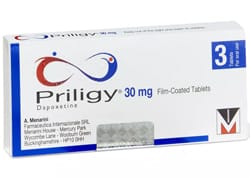
Buy Priligy Online: Best Prices and Fast Shipping
Mastering Your Priligy Dosage Strategy
Using Pregabalin, often sold under the brand name Priligy, feels a bit like walking a tightrope high above a canyon. On one side, you have the therapeutic relief that calms the storm of neuropathic pain. On the other, there is the shadow of side effects, like dizziness or brain fog, that can cloud your daily life.
Finding that “sweet spot” is a delicate dance between relief and discomfort. If you take too little, the pain remains a constant, nagging companion. However, pushing the dose too high can feel like trying to navigate a fog-heavy street while wearing heavy gloves. It is a balancing act that requires patience and constant communication with your doctor.
Every patient’s journey is unique, and what works for your neighbor might be a mismatch for you. Some people find immediate relief with minimal side effects, while others must slowly climb the ladder. It is not a race to the finish line, but rather a steady, calculated trek toward a pain-free existence through careful titration.
Doctors typically follow a “start low and go slow” philosophy to minimize the initial shock to your nervous system. This approach helps your body acclimate to the medication, preventing the sudden “crash” or intense drowsiness that can derail your productivity or safety. It is about building a foundation of tolerance before seeking maximum relief.
Navigating Incremental Adjustments
When your physician decides it is time to step up your treatment, they rarely jump from a small dose to a high one overnight. Instead, they use measured increments to keep your body from feeling like it has been hit by a freight train. This gradual ascent is crucial for long-term adherence and comfort.
For most adults, the journey starts at a modest 75 mg or 150 mg daily. From there, the increments usually move in 75 mg to 150 mg jumps. It is a ladder of small steps rather than a giant leap, ensuring that your central nervous system isn’t blindsided by a sudden chemical shift in your bloodstream.
Individual profiles dictate the speed of these changes. A patient with renal impairment might require a much slower, more cautious climb, as their kidneys process the medication differently. In these cases, the increments might be smaller or the frequency of adjustments might be spaced further apart to ensure safety.
Consider this general framework for how titration might look in a clinical setting, though your specific plan will be bespoke to your biology:
| Patient Profile | Typical Starting Dose | Common Increment | Target Range |
| Standard Adult | 75 mg – 150 mg | 75 mg – 150 mg | 300 mg – 600 mg |
| Renal Impairment | 25 mg – 50 mg | 25 mg – 50 mg | 150 mg – 300 mg |
| Elderly Patients | 50 mg – 75 mg | 50 mg | 150 mg – 300 mg |
The Rhythm of Consistency
Think of your blood concentration levels like a steady tide. To keep the pain at bay, you want that tide to remain at a constant, predictable level. This is why timing is everything. Taking your dose at the same time every single day keeps those plasma levels from dipping into the “pain zone.”
When you skip a dose or take it at erratic hours, you create a roller coaster effect in your bloodstream. These fluctuations can trigger “rebound” sensations where the pain feels more intense than it did before you started the medication. Consistency is the anchor that keeps your therapeutic levels steady and reliable.
If you realize you have missed a dose, don’t panic and don’t try to play catch-up. If it is almost time for your next scheduled dose, simply skip the missed one and continue your normal routine. Trying to “make up” for lost time by doubling up is a recipe for a very dizzy afternoon.
If you accidentally double your dose, do not go running to the emergency room immediately unless you feel severe symptoms. Instead, monitor how you feel and call your healthcare provider. They will advise whether to wait until the next day or if an adjustment to your next scheduled dose is necessary.
Metabolic Variations and Onset
Have you ever wondered why one person feels the effects of a pill within the hour, while another waits until the next morning? This mystery lies in your unique metabolism. Your liver and kidneys act as the body’s internal processing plant, and everyone’s factory operates at a slightly different speed.
Genetic factors play a massive role in how quickly Priligy reaches its peak concentration in your system. Some people are “rapid metabolizers,” meaning they burn through the medication quickly, potentially leading to a shorter duration of relief. Others are “slow metabolizers,” where the drug lingers longer, potentially increasing the risk of side effects.
Age also plays a significant role in how your body handles the drug. As we age, our metabolic processes naturally slow down, much like an old engine that takes a bit longer to warm up. This is why older adults often require lower doses and more frequent monitoring to ensure the drug stays in a safe range.
Understanding these nuances helps you manage your expectations. If you don’t feel an immediate “magic wand” effect, it doesn’t necessarily mean the medication isn’t working. It might just mean your body is taking its time to reach that steady state where the real therapeutic work begins. Patience is your best ally here.
Navigating Priligy Costs and Market Pricing
Walking into a pharmacy to discuss specialized medications can often feel like stepping into a high-stakes poker game. You might see a price tag that makes your eyes water, leaving you wondering if the math simply doesn’t add up. For many, the financial aspect of managing chronic conditions is a heavy shadow that follows every prescription refill.
When we look at the broader landscape, Priligy typically carries a significant monthly cost. Depending on your specific location and the pharmacy you frequent, you might see retail estimates ranging from $400 to over $1,200 per month. These figures are not set in stone and can shift based on many moving parts.
It is important to remember that these numbers are often just a starting point. Depending on whether you are paying out-of-pocket or utilizing a complex insurance network, the “sticker price” you see on a website may bear little resemblance to the actual amount you eventually pay at the counter.
Geographic location acts as a massive lever in these price fluctuations. In some regions, market competition between local pharmacies can drive prices down slightly. In contrast, areas with limited pharmacy access or high demand for specialized drugs often see prices climb much higher than the national average.
Supply chain logistics also play a role in what you pay. If a specific manufacturer faces a temporary shortage, the scarcity can send prices on a upward trajectory. It is a delicate dance between how much medicine is available and how many patients are waiting in line for it.
Insurance coverage for specialized medications is notoriously fickle. Many providers treat these drugs under “specialty tier” classifications, which often require a higher coinsurance percentage rather than a flat copay. This means you might be responsible for a percentage of the total cost rather than a fixed, predictable fee.
Navigating this can feel like a labyrinth. Some plans require “prior authorization,” a process where your doctor must prove the medication is medically necessary before the insurer agrees to chip in. Without this paperwork, you might find yourself footing the entire bill, which can be a massive financial blow.
It is often worth sitting down with your pharmacist to discuss “preferred” vs. “non-preferred” brands. Sometimes, switching to a different pharmacy or using a mail-order service can shave significant amounts off your monthly bill. Small changes in how you source your medicine can lead to large savings.
For those on a long-term journey, the cost-per-pill metric becomes the most vital number. While a monthly total might look daunting, breaking it down to the individual pill helps you understand the true value of the treatment. It allows for a more granular look at your healthcare budget over a year.
Consider these common scenarios to better understand how different purchasing paths might impact your wallet:
| Purchasing Method | Estimated Monthly Cost | Primary Financial Factor |
|---|---|---|
| Retail Pharmacy (Out-of-Pocket) | $850 | Standard manufacturer pricing |
| Specialty Pharmacy (Insurance) | $150 | Coinsurance-based coverage |
| Mail-Order Service (90-day supply) | $320 | Bulk discount incentives |
| Generic Alternative (If available) | $45 | Market competition pricing |
While brand-name prescriptions offer the comfort of a known entity, generic alternatives are the “workhorses” of the pharmaceutical world. If a generic version of your specific dosage becomes available, it can be a total game-changer for your monthly budget. The active ingredients are identical, but the price tag is often a fraction of the original.
However, the transition isn’t always seamless. Some patients find that the fillers or binders in a generic pill cause slight digestive changes. It is always wise to discuss the switch with your doctor to ensure that the cost savings don’t come at the expense of your personal comfort or efficacy.
Ultimately, staying informed is your best defense against being blindsided by high costs. Keep a folder of your receipts, track your insurance “Explanation of Benefits” (EOB) statements, and never be afraid to ask, “Is there a more cost-effective way to get this dose?” Information is, quite literally, money in the bank.
Sourcing Priligy Safely and Legally
Walking into the digital marketplace of online pharmacies can feel like navigating a minefield. You might stumble upon a website that looks sleek and professional, promising lightning-fast shipping and bottom-dollar prices. However, if a site offers to sell you Priligy without asking for a doctor’s note, you aren’t looking at a bargain; you are looking at a trap.
These “no prescription required” sites are the sirens of the internet, luring unsuspecting patients toward dangerous waters. They often operate in the shadows, bypassing the essential safety checks that keep us alive. If a website’s prices seem too good to be true, they almost certainly are, and the cost of your “savings” could be your health.
Keep a sharp eye out for the red flags that scream “danger.” If a pharmacy lacks a physical address, refuses to provide contact information, or uses a domain that looks like a jumble of random letters, walk away. These are the hallmarks of fly-by-night operations that vanish the moment your credit card is charged.
Legitimate pharmacies are like reputable banks; they have licenses, they follow strict protocols, and they don’t cut corners. If a site doesn’t clearly display its accreditation from bodies like the NABP, you are essentially throwing your money into a black hole. Never compromise your safety for a discount that might be a complete fabrication.
The Necessity of Professional Oversight
Priligy is not a supplement you can just pick up off a shelf like a bottle of vitamins. It is a potent medication that requires a valid prescription from a licensed healthcare provider. This isn’t just a bureaucratic hurdle; it is a vital safety net designed to ensure the drug is right for your specific biology.
A doctor acts as your first line of defense. They evaluate your medical history, check for potential contraindications, and ensure that this specific treatment won’t clash with other medications you might be taking. Without this clinical vetting, you are essentially playing Russian roulette with your cardiovascular health and overall well-being.
When you skip the consultation, you lose the most important part of the medical process: professional guidance. A doctor can adjust your dosage if side effects arise or suggest an alternative if your body reacts poorly. Skipping the prescription is like driving a car without brakes; you might move forward, but you won’t be able to stop when things go wrong.
If you find yourself without a prescription, seek out a legitimate telehealth provider. These services are legal, regulated, and can connect you with professionals who can assess your needs. It may cost an extra $50 or $100 for the consultation, but that is a small price to pay compared to the risks of unmonitored self-medication.
Navigating International Shipping and Third-Party Risks
The allure of international shipping is strong, especially when you see prices that look like a steal. Many people think they can bypass domestic regulations by ordering from overseas. However, verifying the legitimacy of these international providers is an uphill battle that many patients lose. You are at the mercy of customs and foreign regulations.
When you order from an unverified third-party vendor, you are essentially playing a game of chance. There is no guarantee that the package will even arrive at your doorstep. Even if it does, you have no way of knowing if the pills inside are actually Priligy or something much more sinister, such as counterfeit substances or incorrect dosages.
Counterfeit medications are a global epidemic. These illicit pills often contain the wrong active ingredient, no active ingredient at all, or even toxic fillers like chalk or lead. The “savings” you thought you secured could result in a trip to the emergency room. It is a gamble where the stakes are nothing less than your life.
To minimize your risk, always check the legitimacy of the shipping company. A reputable pharmacy will use tracked, insured shipping methods through well-known carriers. If a vendor insists on using untraceable methods or asks for payment via untraceable channels like gift cards or wire transfers, close the tab immediately and run.
Leveraging Financial Assistance Programs
If the price of Priligy feels like a mountain you simply cannot climb, don’t lose hope just yet. There are several ways to lower your expenses without stepping into the world of illegal vendors. Patient assistance programs are a lifeline for many, offering significant relief to those who qualify based on income or insurance status.
Manufacturers often set up these programs to help ensure their medications reach the people who need them most. Sometimes, you can find co-pay cards that can drop your out-of-pocket cost from $800 down to $10 or $25 per month. It is worth the effort to sit down and apply, as these programs can change your entire financial outlook.
Consider these strategies to manage your medication expenses effectively:
- Contact the manufacturer directly to ask about “Patient Assistance Programs” (PAPs).
- Inquire with your insurance provider about “Co-pay Assistance” cards.
- Check for non-profit foundations that help patients with specific medical conditions.
- Ask your doctor if there are any clinical trials that provide medication at no cost.
Another way to save is to be your own advocate during the billing process. Sometimes, a pharmacy might have a “cash price” that is actually lower than your insurance co-pay. Always ask, “What is the best price you can offer me today?” You might be surprised by how much room there is for negotiation.
Logistics of Delivery and Discreet Shipping
Once you have cleared the medical hurdles, the next phase involves the actual movement of your medication. Timing is everything when you are managing a health condition. You do not want to find yourself staring at an empty bottle while waiting for a package that is stuck in transit somewhere halfway across the globe.
Domestic orders are generally the “fast lane” of the pharmaceutical world. Most reputable pharmacies can get your shipment to your doorstep within 3 to 5 business days. It is a predictable, steady rhythm that allows you to plan your dosage schedule without the nagging anxiety of an uncertain arrival date or a sudden shortage.
International shipping, however, is a different beast entirely. Depending on the distance and the complexity of customs, you might be looking at a window of 2 to 4 weeks. It is like waiting for a slow-moving ship in a storm; there are many variables that can delay your arrival, making patience a mandatory requirement.
Privacy and Package Discretion
Privacy is the cornerstone of a professional pharmacy experience. When you order medication, you want the contents to remain your business and yours alone. No one needs to know what is inside your envelope when it arrives on your porch or sits in your mailbox. Discretion is not a luxury; it is a necessity.
Reputable providers use plain, unmarked packaging that looks like any other mundane household item. They avoid using logos, specific medical terms, or brand names on the exterior box. This “stealth mode” approach ensures that your neighbors or roommates won’t be left guessing about the nature of your recent online purchases.
Think of it as a silent handshake between you and the provider. The packaging should be sturdy enough to protect the contents but boring enough to blend into a pile of junk mail. If a vendor sends a package with “Priligy” printed in giant letters on the box, consider that a major red flag.
The goal is to maintain your dignity and your privacy simultaneously. A discreet shipment arrives quietly, sits quietly, and fulfills its purpose without making a scene. This level of professionalism is often what separates a legitimate, high-quality pharmacy from the shady characters operating in the dark corners of the web.
Tracking and Navigating Customs
The moment your order leaves the warehouse, you should be able to watch its progress like a hawk. Tracking numbers are your best friend in this process. They turn a “black box” delivery into a transparent journey, showing you exactly when the package clears the facility and when it hits your local hub.
Without a tracking number, you are essentially throwing your money into a dark well and hoping for a splash. Always insist on a service that provides real-time updates. If a pharmacy refuses to provide a tracking number, you might as well walk away; it is a sign that they lack the infrastructure to guarantee delivery.
When crossing borders, customs can be a real headache. Even with perfect paperwork, packages can get held up for inspection, adding days or weeks to the timeline. To avoid these delays, ensure that all your personal information and shipping details are 100% accurate. A single typo in a zip code can cause a logistical nightmare.
Common customs issues often arise from improper labeling or incomplete documentation. To keep things moving smoothly, work with providers who understand international regulations. They know how to navigate the red tape so that your package doesn’t end up sitting in a warehouse gathering dust while you wait for a clearance notice.
Managing Temperature and Stability
Medication is a delicate thing, often sensitive to the whims of the weather. Extreme heat in a delivery truck or freezing temperatures in a cargo hold can compromise the chemical integrity of your pills. You wouldn’t want to take a degraded version of your medication because it sat in a hot warehouse for too long.
High-quality pharmacies take precautions to ensure stability during the journey. This might include specialized insulated packaging or temperature-controlled shipping methods for certain sensitive drugs. While these options might add a small premium—perhaps an extra $15 or $25 to your total—they are a small price to pay for peace of mind.
If you notice that your package arrived in extreme conditions, inspect your medication carefully. If the pills appear discolored, crumbled, or have an unusual smell, do not take them. It is always better to be safe than sorry when it comes to the chemical stability of your treatment.
| Shipping Type | Estimated Timeline | Tracking Available |
| Domestic | 3-5 Business Days | Yes |
| International | 14-30 Days | Yes (Required) |
Priligy vs. Other Delayed Ejaculation Treatments
Navigating the landscape of sexual wellness can feel like wandering through a dense fog without a compass. You might find yourself staring at a shelf full of various solutions, wondering which one actually delivers on its promises. Not all treatments are created equal, and picking the wrong one can lead to a night of frustration rather than satisfaction.
Some men opt for topical numbing agents, such as sprays or creams, to dull sensation. While these are readily available over the counter for a few $10 or $20, they are often a double-edged sword. They can work, but they frequently lead to a “numbness” that kills the mood entirely for both partners.
It is like trying to tune a radio when the volume knob is broken. You might get the signal, but it is muffled and distorted. Topical solutions often require messy application, and if you use too much, you might find yourself unable to feel anything at all, turning a passionate encounter into a clinical, sensation-less event.
Oral Alternatives and Off-Label Uses
Before Priligy entered the scene, many doctors resorted to prescribing SSRIs—antidepressants—off-label to manage premature ejaculation. This is a bit like using a sledgehammer to crack a nut. While they can certainly work, using a medication designed for clinical depression to treat sexual timing is a heavy-handed approach.
These traditional oral medications often come with a heavy baggage of side effects. You might experience lingering nausea, weight changes, or a general sense of “fuzziness” in your brain. It is a significant trade-off when the goal is simply to improve a specific aspect of your intimate life during certain moments.
Priligy, however, is different. It is specifically engineered for this one purpose, rather than being a repurposed psychiatric drug. This targeted design means you aren’t dealing with the systemic “hangover” that often accompanies the misuse of antidepressants, making the experience much more streamlined and predictable for the user.
When we look at the data, the efficacy rates tell a compelling story. While topical sprays might offer a quick fix, their success is highly hit-or-miss depending on the individual. SSRIs can be effective, but the onset of action can be sluggish, sometimes taking weeks of consistent use before you see any real change.
Priligy is designed for a more immediate impact, working with the body’s natural chemistry to extend the window of pleasure. It aims for that “sweet spot” where you maintain sensation but gain the control you’ve been craving. It is about precision rather than blunt force, allowing for a more natural rhythm.
Comparing Profiles and Lifestyle Fit
Choosing a treatment is ultimately about how you want your lifestyle to look. If you want something you can grab at a local drugstore for $15, a numbing spray might seem like the easiest path. However, you have to weigh that against the risk of losing sensation for your partner as well.
For those who prefer a more “set it and forget it” approach, oral medications might seem appealing. But if you have a busy social life or a demanding job, the side effects of traditional SSRIs—like fatigue or brain fog—can be a major hindrance. You don’t want your medication to interfere with your professional performance.
Priligy offers a middle ground for the man who wants reliability without the heavy side effects of systemic drugs. It is designed for the man who wants to be present, engaged, and in control. It fits into a modern lifestyle where you want the solution to be as efficient as the life you lead.
Consider your specific needs before making a final decision. Are you looking for a temporary, localized fix, or a more structured, systemic approach? Each option comes with its own set of pros and cons, and the “best” choice is entirely dependent on your unique physiological makeup and your personal goals for intimacy.
| Treatment Type | Onset Speed | Primary Side Effect Risk |
| Topical Sprays | Minutes | Numbness/Irritation |
| Off-label SSRIs | Days to Weeks | Nausea/Fatigue |
| Priligy | Rapid (Targeted) | Minimal/Localized |
Optimizing Results and Managing Side Effects
Starting a new medication can feel like stepping onto a moving walkway; it is a bit disconcerting until you find your balance. Many men report experiencing mild nausea or a dull headache when they first begin taking Priligy. Think of these as the body’s “adjustment period” as it learns to dance with the new chemical input.
These initial reactions are usually quite fleeting, often vanishing after the first few doses. It is not uncommon to feel a bit “off” for a day or two, much like the grogginess one feels after a long flight across time zones. Most users find that these sensations subside as their system reaches a steady state of equilibrium.
If you find yourself feeling a bit queasy, don’t panic. It is rarely a sign of anything serious, but rather a signal that your stomach is reacting to the sudden change. Keeping a simple log of when these feelings occur can help you distinguish between a transient reaction and something that requires a closer look from your doctor.
If you find the nausea is more than a mere nuisance, try taking the pill with a light snack. A piece of toast or a few crackers can act as a buffer, preventing the medication from hitting an empty stomach with too much force. This small adjustment often makes the difference between a difficult morning and a perfectly smooth start.
Timing your meals is another vital piece of the puzzle. The way you eat can significantly influence how fast the medication enters your bloodstream. If you take it on a completely empty stomach, it might hit your system like a sudden thunderstorm—fast and intense. Conversely, a heavy, high-fat meal might delay the effect, making it feel like you’re waiting for a slow train.
To get the most out of your experience, try to maintain a consistent routine. If you always take it with breakfast, your body will learn to expect it, which can stabilize how you feel. Consistency is the secret sauce that turns a sporadic experience into a predictable, reliable part of your intimate toolkit.
There are also lifestyle tweaks that can act as a force multiplier for your treatment. Staying well-hydrated is crucial, as dehydration can sometimes amplify that feeling of a headache. Think of your body as a high-performance engine; it needs plenty of coolant to run smoothly without overheating or stalling during the process.
Consider incorporating more light physical activity into your daily routine. A brisk walk or some gentle stretching can improve overall circulation and help mitigate the “heavy” feeling some people report. It is about creating an environment where your body is primed for performance rather than just managing symptoms.
While most people find the experience quite manageable, you must know when to pull the emergency brake. If you experience any sudden swelling, a rash that looks like hives, or difficulty breathing, stop usage immediately and call a professional. These are not “adjustment” symptoms; they are red flags that require medical attention.
You should also reach out to your healthcare provider if you notice a persistent change in your mood or unexpected sexual dysfunction. Medication should enhance your life, not complicate it with new, unwanted problems. If you feel like you are trading one issue for another, it is time to sit down with your doctor.
Ultimately, managing side effects is about being proactive rather than reactive. Listen to what your body is telling you. If a certain habit seems to make the side effects worse, pivot. Small, incremental changes in how you eat, drink, and move can lead to a much more seamless and enjoyable experience overall.
- Maintain a consistent schedule for taking your dose.
- Avoid taking the medication on a completely empty stomach to prevent nausea.
- Stay hydrated to minimize the risk of headaches.
- Monitor your mood and report significant changes to a professional.
- Track any unusual skin reactions or swelling immediately.
Contact & directions
Address:
3555 North Colorado Boulevard,
Denver, CO 80205, USA
Comments
[…] Priligy […]