
Buy Flagyl Online at the Best Prices Today
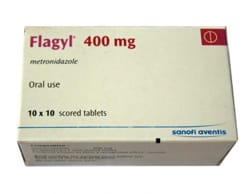
Buy Flagyl Online at the Best Prices Today
How Flagyl Dosage Varies by Infection Type
Taking a pill is rarely a one-size-fits-all affair. Think of your body like a complex engine; different malfunctions require different amounts of fuel to fix. When a doctor prescribes metronidazole, they aren’t just guessing at a number. They are playing a high-stakes game of biological chess against specific, stubborn invaders.
For instance, a common skin infection might require a light touch. You wouldn’t use a sledgehammer to crack a nut, right? If the bacteria are lurking near the surface, the dosage remains relatively modest. The goal is to hit the target without causing a storm of side effects in your gut.
However, when things move deeper into the pelvic region or the abdomen, the strategy shifts entirely. The infection is no longer just knocking on the door; it has broken in and started rearranging the furniture. In these cases, the medicinal intensity must ramp up significantly to ensure total clearance.
The logic is simple: the deeper the enemy, the heavier the artillery. Doctors weigh the severity of your symptoms against your overall health profile. It is a delicate balancing act that ensures the medicine works hard enough to win the war without overstaying its welcome in your system.
Common Gastrointestinal Protocols
When dealing with a nasty case of Giardia or other parasitic hitchhikers, the dosage schedule often feels like a marathon. You might find yourself popping pills three times a day for a week or more. It is a test of patience, much like waiting for a slow elevator during rush hour.
For amoebiasis, the stakes are even higher. These tiny invaders can be incredibly resilient. A physician might prescribe a more concentrated regimen to ensure every last parasite is flushed out. Skipping even a single dose is like leaving a door unlocked for a thief to return later.
Patients often report a metallic taste in their mouth, which is as common as rain in Seattle. It is a strange sensation, but it serves as a reminder that the drug is working. If you feel like you’re sucking on a copper penny, don’t panic; it’s just the medicine doing its job.
The following table outlines how these protocols typically look in a clinical setting. Please remember that these are general guidelines and not a direct prescription for your specific situation.
| Infection Type | Typical Frequency | Common Duration |
| Giardiasis | Three times daily | 5 to 7 days |
| Amoebiasis | Three times daily | 7 to 10 days |
| Trichomonas | Once or twice daily | 7 days |
Complex and Systemic Infections
When the battle moves into the bloodstream or involves deep tissue, the “standard” approach goes out the window. These systemic infections are the heavyweights of the microbial world. They require a relentless, high-dose assault to prevent the infection from spreading to vital organs.
In a hospital setting, you might see the dosage administered via IV rather than a simple tablet. This ensures the medicine hits the bloodstream with maximum speed and precision. It is the medical equivalent of an emergency response team rushing to a fire scene.
Weight also plays a massive role in how much you might need. A person weighing 150 lbs will have a very different metabolic requirement than someone weighing 250 lbs. It is a mathematical equation where the variables are your weight, the infection’s location, and your kidney function.
Always be wary of the “quick fix” mentality. You might start feeling like a million bucks after two days of treatment. However, if you stop early, you might just be giving the bacteria a chance to learn how to fight back. Stick to the plan until the doctor says the coast is clear.
- Strict adherence is key: Never skip a dose even if you feel better.
- Avoid alcohol: Mixing Flagyl with booze is a recipe for disaster.
- Hydration is vital: Keep water handy to help your body process the medication.
- Monitor side effects: If you feel dizzy, contact your provider immediately.
Current Flagyl Market Pricing and Cost Factors
Navigating the pharmacy counter can sometimes feel like walking through a financial minefield. You might expect a straightforward transaction, but instead, you find yourself staring at a receipt that looks like a grocery bill for a small village. Prices for Flagyl are rarely set in stone, often shifting like sand under a tide.
Several moving parts influence what you ultimately pay at the register. It isn’t just about the pill itself; it is about how it is packaged, the brand name on the box, and how much your insurance company is willing to chip in. It can feel like a shell game where the rules change every time you blink.
Many patients find that the difference between a generic version and the brand-name original is the difference between a stroll in the park and a mountain climb. While the active ingredient is the same, the cost discrepancy can be quite jarring for those on a tight budget. Understanding these nuances is essential for your wallet.
The Influence of Insurance and Pharmacy Choice
Your insurance provider acts as the gatekeeper of your healthcare expenses. Depending on your specific plan, you might face a high deductible before the company starts picking up the tab. It is a bit like a high-stakes poker game where you don’t know the house rules until you’ve already placed your bet.
Pharmacy choice also plays a massive role in the final tally. A large national chain might have different pricing structures than a small, local independent pharmacy. Some retailers offer loyalty programs that can shave a few bucks off your total, while others might charge a premium for the convenience of being open 24/7.
Generic versus brand-name is perhaps the most significant variable in this economic equation. Generics are the workhorses of the industry, providing the same therapeutic benefit at a fraction of the cost. Choosing the generic route is often the smartest way to keep your medical expenses from spiraling out of control.
The following data provides a snapshot of typical pricing variations you might encounter across different retail settings and insurance scenarios.
| Dispensing Option | Quantity/Type | Estimated Cost |
| Generic Flagyl | 30 Tablets | $15 – $30 |
| Brand Name Flagyl | 30 Tablets | $80 – $150 |
| Insurance Co-pay | Standard Plan | $5 – $25 |
| Cash Pay (No Insurance) | 30 Tablets | $40 – $60 |
Hidden Costs and Unexpected Variables
Sometimes, the price on the label is just the tip of the iceberg. You might find yourself paying extra for specific delivery methods, such as oral suspensions for children or intravenous vials for hospital stays. These specialized forms often come with a higher price tag due to their complex manufacturing processes.
Shipping and handling can also sneak up on you if you choose to order through a mail-order pharmacy. While mail-order services often boast lower unit prices, the convenience of home delivery comes with its own set of logistical fees. It is a classic trade-off between saving pennies and saving time.
It is always wise to ask your pharmacist for a “cash price” if you do not have insurance. Sometimes, the out-of-pocket cost for a generic is actually lower than your insurance co-pay. It sounds counterintuitive, but it happens more often than you might think in the modern healthcare landscape.
Don’t be afraid to shop around or use price-comparison tools. Being an informed consumer is your best defense against inflated costs. Treat your healthcare budget with the same scrutiny you would apply to a major home renovation; every dollar counts when you are trying to stay afloat.
- Ask about generics: Always request the most affordable version first.
- Check mail-order: Compare retail prices against mail-order pharmacy options.
- Inquire about coupons: Many pharmacies offer discounts that aren’t advertised.
- Verify your coverage: Call your insurer to confirm your specific co-pay.
Comparing Flagyl to Other Antibiotic Alternatives
Choosing the right medication is rarely a walk in the park. When a doctor writes a prescription, they are weighing a thousand different variables to ensure you get the right tool for the job. Flagyl, or metronidazole, is a specialist in its field, targeting specific anaerobic bacteria that other drugs might simply ignore.
Comparing it to other antibiotics is like comparing a scalpel to a sledgehammer. Sometimes you need precision, and other times you need sheer force. If you are facing a simple skin infection, Flagyl might be a total mismatch, whereas a different class of drugs would be the perfect fit. It is a delicate balancing act for any physician.
Patients often wonder why they cannot simply switch to a cheaper alternative. The answer usually lies in the unique biological “fingerprint” of the infection. Using the wrong antibiotic can be like trying to put out a grease fire with water; it might actually make the situation much more complicated and dangerous.
The following table outlines how Flagyl sits alongside common alternatives in terms of typical usage and general cost patterns. Keep in mind that these are broad strokes, not a definitive rulebook for your specific medical needs.
| Antibiotic Class | Common Alternative | Example | Primary Use Case | Estimated Cost |
| Nitroimidazoles | Flagyl (Metronidazole) | Anaerobic/Parasitic | $15 – $60 |
| Penicillins | Amoxicillin | Broad-spectrum/Throat | $10 – $40 |
| Macrolides | Azithromycin | Respiratory/Skin | $20 – $70 |
| Fluoroquinolones | Ciprofloxacin | Urinary/Severe Infections | $30 – $100 |
The Nuances of Spectrum and Efficacy
Antibiotics are often categorized by their “spectrum,” which refers to how many different types of bacteria they can kill. Flagyl is a bit of a niche player. It doesn’t try to be everything to everyone, but when it comes to anaerobic bacteria, it is the undisputed heavyweight champion of the ring.
If you have a respiratory infection caused by typical bacteria, a doctor might reach for Azithromycin instead. It’s a different animal entirely. Taking the wrong one could mean the infection lingers, turning a minor nuisance into a full-blown medical headache that keeps you stuck in bed for a week.
Metronidazole is also a favorite for parasitic infections, a territory where many other common antibiotics are completely useless. It’s like bringing a knife to a gunfight if the enemy is a parasite and you’re holding a standard penicillin. You have to match the weapon to the specific threat at hand.
Resistance is the elephant in the room for every modern antibiotic. Overusing broad-spectrum drugs can lead to “superbugs” that laugh in the face of our best medicine. This is why doctors are often cautious, preferring to use a targeted drug like Flagyl when it is appropriate, rather than a sledgehammer approach.
Cost and Availability Considerations
Price is a major factor when you are staring at a pharmacy receipt. Broad-spectrum antibiotics like Amoxicillin are often incredibly cheap, frequently costing less than $15 for a standard course. They are the reliable, budget-friendly workhorses that keep the healthcare system moving without breaking the bank.
On the other hand, specialized treatments can see prices climb quite quickly. While generic Flagyl remains relatively affordable, some newer or more specialized antibiotics can cost upwards of $150 or more for a single prescription. It is a steep climb for anyone living on a fixed income or without robust insurance.
Availability can also be a fickle beast. You might find that your local pharmacy is well-stocked with common penicillins but is currently facing a shortage of specific metronidazole formulations. This can turn a simple trip to the drugstore into a frustrating scavenger hunt across town.
Always keep a dialogue open with your healthcare provider regarding your budget. If a prescribed alternative is prohibitively expensive, they might be able to suggest a different class of medication that achieves the same goal for a lot less money. There is almost always another way to reach the finish line.
- Verify the spectrum: Ensure the drug targets the specific bacteria causing your illness.
- Watch for shortages: Ask if your preferred brand is currently in stock to avoid delays.
- Compare costs: Always check if a different antibiotic class is more affordable.
- Avoid self-prescribing: Never swap one antibiotic for another based on price alone.
Navigating Shipping and Delivery Logistics
The Speed of Fulfillment
When you are feeling under the weather, every hour feels like a lifetime. Waiting for a prescription to arrive at your doorstep can feel like watching paint dry in a thunderstorm. You want relief now, not after a three-day transit period. Timing is everything when dealing with an active infection.
Standard shipping methods are the reliable old mules of the logistics world. They are steady and predictable, usually arriving within three to five business days. If your local pharmacy uses a courier, you might see that package arrive much faster, often by the next afternoon. It is a game of speed versus cost.
For those who cannot afford to wait, expedited shipping is the fast lane. You might pay an extra $15 to $25 to ensure your medication arrives overnight. It is a bitter pill to swallow, literally and figuratively, but sometimes it is the only way to get the treatment started before things escalate.
I once knew a patient who waited an extra two days for a cheaper shipping option. By the time the package arrived, his symptoms had worsened significantly. It is a classic case of “penny wise, pound foolish.” Sometimes, the fastest route is the only route that truly matters for your health.
Tracking and Temperature Control
Modern logistics have turned the pharmacy experience into a digital scavenger hunt. You can watch your medication travel across the state in real-time on your smartphone. This transparency is a godsend, ensuring you aren’t left guessing whether your package is lost in the void or merely delayed.
However, tracking is only half the battle. You must also consider the physical integrity of the package. While Flagyl is generally robust, many medications are sensitive to extreme heat or freezing temperatures. A package sitting on a scorching porch in July can be a recipe for disaster if not handled with care.
If you are ordering through an online pharmacy, check their protocols for climate-controlled shipping. Some high-end services include insulated packaging for an additional $10 to $20. It is an extra layer of security that ensures the medicine inside is just as effective as the day it was dispensed.
Always inspect your delivery immediately upon arrival. If the seal looks tampered with or the box looks crushed, do not assume everything is fine. It is better to be safe than sorry. A damaged box is a red flag that deserves an immediate call to the provider.
Delivery Options and Costs
Deciding how to receive your medication is a balancing act between convenience and your wallet. You have several paths to choose from, each with its own set of pros and cons. It is not just about the price of the drug, but the cost of getting it to your door.
Below is a quick breakdown of what you might expect to see when looking at delivery service tiers:
| Delivery Type | Typical Speed | Estimated Cost | Best For |
| Standard Ground | 3-7 Days | $0 – $5 | Non-urgent refills |
| Express Courier | 1-2 Days | $15 – $30 | Acute infections |
| Same-Day Local | < 24 Hours | $10 – $25 | Urgent needs |
If you live in a remote area, be prepared for “out-of-zone” surcharges. It is a common sting in the tail for rural residents. A delivery that costs $5 in a city might jump to $20 when it has to travel through mountain passes or small-town routes.
Always confirm the delivery window before you commit. There is nothing more frustrating than waiting at home all day for a driver who never shows up. A missed delivery can delay your first dose, and in the world of antibiotics, every missed dose is a step toward potential resistance.
Contact & directions
Address:
3555 North Colorado Boulevard,
Denver, CO 80205, USA