
Buy Propecia Online for Fast Hair Regrowth Savings
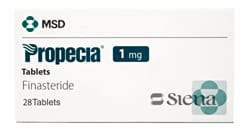
Buy Propecia Online for Fast Hair Regrowth Savings
How Finasteride Works to Halt Thinning
Think of your scalp as a garden where the soil chemistry has gone slightly awry. For many men, the culprit isn’t a lack of nutrients, but a rogue enzyme acting like an unwelcome weed. This biological process, driven by dihydrotestosterone (DHT), slowly chokes the life out of hair follicles, causing them to shrink and eventually fail.
Finasteride steps into this microscopic battlefield like a seasoned peacekeeper. It targets a specific enzyme known as 5-alpha reductase. This enzyme is responsible for converting your natural testosterone into DHT. Without this conversion, the aggressive hormone cannot reach the follicles to wreak havoc on your hairline.
By inhibiting this chemical reaction, the medication effectively starves the DHT of its ability to circulate. It is not about adding anything new to your system, but rather about managing what is already there. It’s a delicate balancing act that aims to restore equilibrium to your scalp’s internal environment.
When the DHT levels drop, the follicles stop undergoing “miniaturization.” This is the process where a thick, robust hair turns into a fine, colorless thread. Once you interrupt this cycle, the follicles can breathe again, allowing for the possibility of regrowth or, at the very least, maintaining what you still have.
The Biological Mechanism of DHT Inhibition
To understand the magic under the hood, we have to look at the conversion process. Testosterone is a common hormone, but when it meets the 5-alpha reductase enzyme, it undergoes a transformation. This new version, DHT, is much more potent and has a much higher affinity for the receptors in your hair follicles.
Imagine a key fitting into a lock. DHT is like a master key that fits perfectly into the follicle’s lock, turning it to the “shutdown” position. Finasteride acts like a piece of tape placed inside the keyhole. It prevents the DHT key from entering, ensuring the follicle stays in the “growth” phase.
Clinical studies have shown that a daily dose of 1mg of finasteride can significantly reduce serum and scalp DHT levels. This isn’t just a drop in the bucket; it is a fundamental shift in your hormonal landscape. It is the difference between a slow retreat and a fortified defense against hair loss.
However, it is important to realize that this is a marathon, not a sprint. You cannot simply take a pill once and expect a full head of hair by Tuesday. The biological machinery takes time to reset. Consistency is the golden rule if you want to see any tangible results in the mirror.
- Enzyme Inhibition: Blocks 5-alpha reductase from converting testosterone.
- DHT Reduction: Lowers the concentration of the primary cause of male pattern baldness.
- Follicle Protection: Prevents the miniaturization of hair follicles.
- Growth Cycle Stabilization: Helps prolong the anagen (growth) phase of the hair.
Comparing Treatment Efficacy and Costs
When deciding how to tackle thinning, men often weigh the pros and cons of various approaches. Some prefer topical applications, while others swear by the oral pill. Each method has its own way of tackling the DHT problem, and the cost of entry can vary significantly depending on the brand.
While Propecia is the gold standard, many patients look for generic alternatives to keep their budget in check. It is a common dance in the pharmacy aisle. You want the highest efficacy without breaking the bank, and understanding the price-to-value ratio is essential for long-term adherence.
The following table provides a rough snapshot of how different formats might impact your monthly budget. Keep in mind that prices are estimates and can fluctuate based on your provider and the quantity purchased. Investing in your hair is a long-term commitment, so budget accordingly.
| Format | Primary Benefit | Estimated Monthly Cost |
| Brand Name (Propecia) | Proven reliability | $65 – $85 |
| Generic Finasteride | Cost-effective | $15 – $30 |
| Topical Solutions | Localized application | $40 – $70 |
Ultimately, the “best” option is the one you will actually use every single day. If a $25 generic bottle is easier for you to maintain than a $70 brand-name prescription, the generic is the winner. The science remains the same; only the delivery method and the price tag change.
Standard Dosage Protocols and Usage
Taking your medication is a lot like feeding a plant; you cannot skip a day and expect it to flourish. For most men, the standard protocol involves a single 1mg tablet once every twenty-four hours. This consistency is the bedrock of effective DHT suppression. If you miss a dose, don’t try to double up to catch up.
Consistency is the name of the game here. Your body operates on a rhythmic cycle, and introducing the medication at the same time each day helps maintain a steady level in your bloodstream. Think of it as keeping a dam reinforced against a constant stream of water. You want that barrier to be unwavering and predictable.
Many patients find success by tying their dose to a daily habit, like brushing their teeth or eating breakfast. This simple psychological trick turns a medical requirement into a mindless part of your morning routine. When it becomes a habit, the struggle of remembering disappears, leaving you free to focus on the results.
It is vital to note that this isn’t an “as needed” situation. You cannot wait until you notice a thinning patch to take the pill. The goal is preemptive defense. You are building a shield before the storm hits, ensuring the DHT levels never get the chance to wreak havoc on your follicles.
Timing and Administration
Does it matter if you take it with food or on an empty stomach? Generally, the answer is no. Propecia is quite forgiving in this regard. Whether you take it with a hearty breakfast or just a glass of water, the absorption into your system remains largely the same.
However, if you find that the medication makes your stomach feel a bit unsettled, try taking it alongside a meal. This can act as a buffer, making the experience much smoother. It is a minor adjustment that can make a massive difference in your daily comfort levels.
Some people mistakenly believe that taking it at night will help them sleep better or work more effectively. While there is no scientific requirement for night-time dosing, finding a time that works for your specific lifestyle is key. The best time is simply the time you will never forget.
Don’t be surprised if you don’t see a difference in the mirror immediately. Hair grows at a snail’s pace, often only half an inch per month. You are looking for subtle changes in density and texture over several months, not a sudden transformation overnight. Patience is your greatest ally in this journey.
To help you plan your long-term commitment, here is a breakdown of common purchasing options for maintaining your regimen.
| Supply Duration | Format/Type | Estimated Cost |
| 1 Month Supply | Brand Name (Propecia) | $75 |
| 3 Month Supply | Generic Finasteride | $45 |
| 6 Month Supply | Generic Finasteride | $80 |
| 1 Year Supply | Bulk Generic | $140 |
Potential Side Effects and Monitoring
While the benefits can be profound, we must talk about the elephant in the room: side effects. Every person’s biochemistry is unique, a real “wild card” in the medical world. While many men experience absolutely nothing, others may notice changes in libido or sexual function.
If you do experience these changes, do not panic or immediately toss the bottle in the trash. Sometimes, the body needs time to adjust to the new hormonal baseline. It is a period of recalibration where your system learns to operate with a lower concentration of DHT in the air.
If symptoms persist or become bothersome, a quick chat with your doctor is the best move. They can help determine if the dosage is appropriate or if a different approach is needed. Never attempt to play doctor with your hormones; professional guidance is your safety net.
Keep a simple log if you feel the need. Noting how you feel each week can provide valuable data for your physician. It turns a vague feeling of “something is off” into a concrete timeline that helps tailor your treatment to your specific physiological needs.
Current Market Pricing and Cost Breakdown
Navigating the Financial Landscape
Walking into a pharmacy can feel like stepping into a high-stakes poker game. You might see one price on the shelf and a completely different number on your insurance statement. It is enough to make anyone’s head spin. Understanding these fluctuations is the first step toward managing your long-term hair regrowth budget effectively.
The brand-name Propecia often carries a hefty premium. Many men feel the sting of that price tag when they realize they are paying for the name on the box. It is a classic case of paying for the brand’s reputation rather than the active chemical compound itself, which can get pricey.
On the flip side, generic alternatives offer a lifeline for those on a strict budget. These are the “workhorses” of the hair loss industry. They contain the exact same active ingredient, finasteride, but without the flashy marketing. Switching to generics is often the smartest move for your wallet.
You might also encounter various online pharmacies that promise lightning-fast shipping and low prices. While tempting, always do your homework. You want to ensure you are buying from a reputable source that follows strict quality standards. Cutting corners on price shouldn’t mean cutting corners on your physical safety.
Comparing Different Purchasing Models
When you look at the numbers, the quantity you buy makes a massive difference. It is a bit like buying milk; a gallon is cheaper per ounce than a small carton. Buying in bulk is the gold standard for anyone committed to a multi-year hair maintenance strategy.
Some patients prefer the flexibility of monthly refills. This approach is great if you are testing the waters and aren’t sure if the medication is right for you. It keeps your upfront costs low, though you will end up paying more in the long run due to higher unit prices.
Then there are the subscription models offered by many modern telehealth platforms. These services often bundle the consultation fee with the medication. While it might seem like an extra expense at first glance, it can streamline the entire process into a single, predictable monthly bill.
Consider these common cost variations when planning your monthly overhead:
- Retail Pharmacy (Brand Name): Usually the most expensive option due to patent protections.
- Generic Monthly Refills: A balanced choice for those who value flexibility over bulk savings.
- Bulk Online Shipments: The most economical way to maintain your regimen over several years.
- Telehealth Bundles: Includes the doctor’s visit, making it a convenient, all-in-one price.
Factors Influencing Your Total Investment
Insurance coverage is a major variable in the equation. For some, the cost is a mere drop in the bucket thanks to a robust plan. For others, it is a significant monthly line item. Always check with your provider to see if finasteride is covered under your specific plan.
Shipping costs and pharmacy fees can also sneak up on you. A “cheap” price online might look great until you see the $15 shipping fee and the handling charges. Always look at the “all-in” price before you hit that checkout button to avoid any nasty surprises.
Don’t forget to account for the cost of the initial consultation. If you go the telehealth route, that first visit is a mandatory entry fee. While it adds to the initial price, it ensures you are getting professional oversight for your hormonal health, which is worth its weight in gold.
Ultimately, the best way to view these costs is as an investment in your confidence. Hair loss can be a heavy emotional burden. Spending money on a proven solution is often viewed by many men as a way to reclaim a part of their identity.
Comparing Propecia to Generic Alternatives
The Science of Bioequivalence
Think of Propecia as a high-end designer suit. You are paying for the prestige of the label, the fancy packaging, and the brand’s storied history. While the garment looks impeccable, the actual fabric—the finasteride itself—is identical to the off-brand version you find at a local boutique. The core material remains the same.
When the FDA approves a generic, they aren’t just guessing. They require it to be “bioequivalent” to the original brand. This means the drug must enter your bloodstream at the same rate and in the same concentration as Propecia. It is a rigorous standard that ensures you aren’t getting a “watered down” version of the medicine.
I once spoke to a man who was terrified of switching. He thought the brand name was a magic spell that made the hair grow faster. However, the science tells a different story. Once the patent expires, the generic enters the ring, offering the same punch without the heavy brand-name tax.
In the world of pharmacology, the active ingredient is the hero of the story. For Propecia, that hero is finasteride. Whether that molecule arrives in a blue Propecia box or a plain white generic bottle, your body reacts to it in the exact same manner. The results, theoretically, are a mirror image.
Price Disparity and Value Analysis
Let’s get down to the brass tacks: the money. For many men, the price difference is the deciding factor in their treatment journey. Propecia can feel like a luxury item, whereas generics feel like a practical necessity. It is the difference between dining at a five-star restaurant and a reliable local diner.
When we look at the numbers, the gap is quite startling. A single month’s supply of brand-name Propecia can cost significantly more than a bottle of generic finasteride. For a long-term regimen, these pennies add up to hundreds, even thousands, of dollars over several years of consistent daily use.
The following table provides a snapshot of how these options typically stack up against one another in the current market landscape:
| Medication Type | Estimated Monthly Cost | Primary Advantage |
| Propecia (Brand) | $60 – $100+ | Brand recognition and trust |
| Generic Finasteride | $15 – $30 | Significant cost savings |
| Compounded Options | $25 – $50 | Customized dosage options |
If you are on a tight budget, the generic route is a no-brainer. It allows you to maintain your hair density without breaking the bank. Many men find that by switching to generics, they can actually afford to be more consistent with their dosing, which is the real secret to success.
Navigating the Transition
If you decide to make the leap from Propecia to a generic, don’t feel like you are settling for a second-best option. It is simply a smarter way to play the game. Many people find the transition to be seamless, with no noticeable difference in hair thickness or scalp health.
However, it is vital to keep an eye on the quality of your source. Not all generics are created equal, though they should all meet the same standards. Stick to reputable pharmacies and avoid “miracle” websites that offer prices that seem too good to be true. If it sounds fishy, it probably is.
Always communicate with your doctor before making the switch. They can help you monitor your progress and ensure that your generic source is providing the same efficacy you experienced with the brand name. It’s better to be safe than sorry when dealing with hormonal medications.
At the end of the day, the goal is hair retention and confidence. If the generic does the job perfectly, why pay the “brand tax”? Once you realize that the chemistry is the same, you might find yourself feeling a lot more empowered in your healthcare decisions.
Safe Purchasing and Shipping Logistics
The Golden Rules of Online Procurement
Navigating the digital pharmacy landscape can feel like walking through a minefield without a map. It is easy to get lost in a sea of flashy advertisements promising instant miracles. However, you must keep your wits about you when hunting for the best deals on finasteride.
The first rule of the road is verifying the legitimacy of your vendor. A reputable pharmacy will always require a valid prescription from a licensed healthcare provider. If a website promises to ship Propecia without a doctor’s oversight, they are essentially handing you a red flag. Do not bite that bait.
I once watched a friend stumble into a “too good to be true” website. He thought he had found a loophole to save a few bucks. Instead, he spent weeks waiting for a package that never arrived. It was a hard lesson learned: cheapness often carries a very high hidden cost.
Always look for physical addresses and verifiable contact information on the site. A company that hides behind a generic contact form and a “no-reply” email address is likely a ghost. You want a partner in your hair loss journey, not a digital phantom that vanishes once your credit card is charged.
Shipping Standards and Package Integrity
Once you hit that “buy” button, the logistics phase begins. You aren’t just paying for pills; you are paying for a secure, discreet, and timely delivery service. The way your medication is handled during transit is vital for maintaining its chemical stability and effectiveness.
When the package arrives, inspect it like a hawk. The outer box should be intact, with no signs of tampering or moisture damage. If the seal is broken or the box looks like it has been through a washing machine, do not hesitate to demand a replacement immediately.
Temperature control is a subtle but critical factor in the world of pharmacology. While finasteride is relatively hardy, extreme heat during shipping can occasionally jeopardize the integrity of the tablets. High-quality vendors use specialized packaging to ensure your shipment survives the long haul through various climates.
Many users prefer “discreet shipping” to maintain their privacy. This means the outer packaging won’t scream “hair loss medication” to every nosy neighbor on your street. It is a small detail, but it provides a layer of comfort that makes the entire process much more pleasant.
Evaluating Shipping Costs and Timelines
Shipping is often the “hidden tax” of online ordering. A low sticker price on the medication can quickly evaporate if the delivery fees are astronomical. You need to weigh the total cost of the transaction against the convenience of the delivery speed you require.
Some vendors offer tiered shipping options to suit your specific needs. If you are running low on pills and feeling the panic, you might opt for expedited airmail. If you have plenty of stock, standard ground shipping is usually the most economical way to go.
Consider the following breakdown of typical shipping scenarios you might encounter when ordering online:
| Shipping Method | Estimated Cost | Typical Delivery Time |
| Standard Ground | $5 – $10 | 7 – 14 Days |
| Expedited Air | $25 – $45 | 3 – 5 Days |
| International Mail | $15 – $30 | 21 – 45 Days |
Keep in mind that international shipping can be a bit of a gamble. While it might save you some cash, it often involves customs inspections and potential delays. It is a bit like playing a game of chance where the prize is a timely shipment of your medicine.
Always track your package. A reliable vendor will provide a tracking number so you can watch its progress in real-time. This peace of mind is worth its weight in gold, ensuring you aren’t left wondering if your order has gone missing in the ether.
Maximizing Results Through Combined Therapies
Relying solely on one tool in your arsenal is like trying to win a marathon with only one shoe. While Propecia works wonders for many, some men find that their hair loss is a stubborn beast that refuses to retreat easily. In these cases, a single-front war might not be enough to hold the line.
Many dermatologists suggest that a multi-pronged approach can yield much more significant results. It is not about finding a “magic pill” that fixes everything overnight, but rather about attacking the biological pathways of hair loss from several different angles simultaneously. Think of it as a tactical pincer movement against thinning.
I remember a client who was quite discouraged by his slow progress after six months of consistent use. He felt like he was spinning his wheels in the mud. After discussing various options with his doctor, he added a topical solution to his routine, and the results were nothing short of a revelation.
However, you must never go rogue. Adding new substances to your regimen without professional guidance is like mixing chemicals in a dark room without a flashlight. Always sit down with your healthcare provider to discuss how these additions might interact with your unique biology and current health status.
The Role of Topical Minoxidil
Minoxidil is often the first companion mentioned when discussing a combined strategy. While Propecia works from the inside out to block DHT, Minoxidil works from the outside in to stimulate blood flow to the hair follicles. It is essentially the “fertilizer” for the scalp, encouraging growth where it was previously stalling.
This duo is a classic for a reason. By addressing both the hormonal cause and the blood flow aspect, you are essentially attacking the problem from both the root and the soil. It’s a heavy-hitting combination that has become the gold standard for many men seeking to reclaim their hairline or crown.
The main catch with Minoxidil is the commitment required for application. You cannot just use it once a week and expect miracles. It requires a daily discipline of applying the liquid or foam, which can feel like a chore when you are busy or feeling particularly lazy in the mornings.
If you decide to take this route, consistency is your best friend. Skipping days is like trying to fill a leaky bucket; you might see some progress, but you’ll never reach full capacity. Treat your scalp with the same daily attention you would give to brushing your teeth to see real, lasting changes.
Advanced Clinical Options and Procedures
Sometimes, pills and foams just aren’t enough to do the heavy lifting. For men with significant thinning, clinical procedures might be the missing piece of the puzzle. These are more intensive, often involving direct intervention on the scalp to jumpstart dormant follicles that have gone into a deep sleep.
One common approach is Platelet-Rich Plasma (PRP) therapy. This involves drawing your own blood, processing it, and then injecting the concentrated platelets back into the scalp. It sounds like something out of a sci-fi movie, but the biological boost it provides can be quite profound for many patients.
Another option often discussed is Low-Level Laser Therapy (LLLT). These devices use specific wavelengths of light to stimulate cellular activity. While some skeptics call it “fancy hair lights,” many users swear by the subtle, gradual improvement in hair density and scalp health over several months of use.
When comparing these advanced methods, keep in mind that they often come with a higher price tag. You aren’t just paying for the treatment; you are paying for the specialized equipment and the expertise of the technician. Here is a quick look at the general cost landscape:
| Treatment Type | Estimated Cost per Session | Frequency Needed |
| PRP Injections | $300 – $700 | 4 – 6 Sessions |
| LLLT Device | $200 – $600 (One-time) | 3-5 Times Weekly |
| Microneedling | $50 – $150 | Once Weekly |
Contact & directions
Address:
3555 North Colorado Boulevard,
Denver, CO 80205, USA