
Buy Isotroin Online: Best Prices and Fast Shipping Today
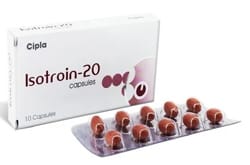
Buy Isotroin Online: Best Prices and Fast Shipping Today
The Mechanics of Isotroin and Its Role in Skin Clarity
Think of your skin as a crowded highway during rush hour. When sebum production goes rogue, it’s like a massive pile-up of oil and dead skin cells blocking every lane. Isotroin enters the scene as a specialized, highly refined form of isotretinoin, acting like a sophisticated traffic controller to clear the chaos.
Unlike standard topical creams that merely skim the surface, this medication works deep within the dermal layers. It targets the root of the problem rather than just treating the symptoms. It is essentially a master regulator for the biological processes that govern your complexion’s health and overall texture.
The science behind it is quite fascinating. By modulating how your skin cells grow and how your glands function, it addresses the underlying biological triggers. It doesn’t just mask the redness; it fundamentally alters the environment that allows acne to thrive in the first place.
Targeting the Source of Excess Oil
The real magic happens when the active ingredients reach the sebaceous glands. These tiny, oil-producing sacs are often the culprits behind persistent breakouts. Isotroin works to downsize these glands, effectively turning down the “volume” on how much oil they produce every single day.
Imagine a leaky faucet that has been dripping constantly, causing a mess on the floor. Isotroin essentially tightens that valve. By reducing the sheer volume of sebum, there is far less fuel for the bacteria that cause inflammation to feed upon, leading to a significant decrease in congestion.
This physiological shift is what separates Isotroin from many other treatments. It isn’t just a temporary fix for a single pimple. Instead, it attacks the very production line of oil, ensuring that your pores stay clear and open rather than becoming clogged and inflamed.
When you look at the data, the reduction in sebum production is quite dramatic:
- Significant decrease in follicular hyperkeratinization.
- Reduction in the physical size of sebaceous glands.
- Normalization of lipid composition in the skin surface.
- Decrease in the presence of Cutibacterium acnes.
The Physiological Shift Toward Clarity
As the treatment progresses, your skin undergoes a profound transformation. It is much like hitting a giant reset button on a computer that has been running too many heavy programs at once. The system slows down, clears its cache, and starts running smoothly again.
During this transition, you might experience a period of adjustment. This is simply the skin recalibrating its natural processes. You are moving away from a state of constant inflammation and toward a balanced, calm, and clear physiological state that is much easier to maintain.
The inflammatory response, which often manifests as painful, red bumps, begins to subside as the triggers are removed. It is a journey from a state of biological “noise” to a state of quiet, clear stability. This shift is the cornerstone of achieving long-term dermatological success.
To visualize the transition, consider this comparison of skin states:
| Stage of Skin Health | Biological Activity | Visual Appearance |
| Inflammatory Phase | High sebum and bacterial activity | Redness, swelling, and active cysts |
| Transition Phase | Reduced oil and cellular turnover | Dryness and occasional purging |
| Clarity Phase | Stabilized glands and clear pores | Smooth, calm, and even-toned skin |
Navigating the Dosage Protocol for Maximum Efficacy
Finding the right rhythm with Isotroin is not a one-size-fits-all endeavor. It is more like tuning a delicate musical instrument; if you push too hard too fast, you might cause a crack, but if you are too light, you won’t hit the right note. Your dermatologist will tailor the milligrams to your specific biological needs.
For those dealing with mild to moderate congestion, the daily dose might start quite low. Doctors often prescribe a conservative amount to see how your body reacts to the systemic shift. This cautious approach helps mitigate the immediate side effects while slowly nudging your skin toward a state of equilibrium and calm.
When the acne is particularly aggressive or cystic, the dosage typically ramps up. In these more intense cases, higher milligram counts are required to ensure the medication reaches the deeper layers of the skin. It is a heavy-duty solution for a heavy-duty problem, requiring a steady hand from your medical professional.
The following table outlines common monthly treatment frameworks based on typical clinical protocols:
| Treatment Plan Type | Average Monthly Dosage | Estimated Monthly Cost |
|---|---|---|
| Mild/Maintenance | 10mg – 20mg | $45 |
| Moderate/Standard | 30mg – 50mg | $85 |
| Severe/Intensive | 70mg – 100mg | $150 |
| Acute/High-Intensity | 120mg+ | $210 |
Fueling the Absorption Process
You might be tempted to pop your capsule with just a quick sip of water and move on with your day. However, doing so is like trying to start a fire with damp wood. To get the most out of your Isotroin, you need to provide the right environment for it to dissolve.
Because this medication is fat-soluble, it needs lipids to hitch a ride into your bloodstream. Think of dietary fats as the taxi service that carries the active ingredients to their destination. Without a bit of healthy fat, much of the medication might simply pass through your system without doing its job.
Try incorporating a slice of avocado, a handful of almonds, or a spoonful of peanut butter into your mealtime. It doesn’t need to be a feast, but a little bit of “fuel” goes a long way. This simple dietary tweak can be the difference between hitting your target dose and wasting precious medication.
If you skip the fats, you might find that your progress hits a plateau. It can be frustrating to feel like you are doing everything right while seeing no change in your complexion. Often, the culprit isn’t the pill itself, but rather the lack of a fatty vehicle to drive it home.
The Concept of Cumulative Dosage
Many patients make the mistake of thinking that if their skin looks clear after two months, the battle is won. This is a dangerous misconception. Isotroin works on a “total sum” principle known as cumulative dosage, where the total amount of drug in your system over time determines the outcome.
Imagine you are trying to fill a bucket that has a tiny leak in the bottom. You can’t just pour a little water in and walk away; you have to keep the stream running until the bucket is full despite the slow leak. The goal is to reach a specific total milligram count over several months.
This is why consistency is the name of the game. Even if your skin looks beautiful mid-way through, your doctor will likely insist on finishing the full course. Stopping too early is like leaving a garden half-weeded; the old habits of your skin might simply return once the medication is gone.
The long-term results depend on reaching that magic number of total milligrams. This ensures that the changes made to your sebaceous glands are permanent and not just a temporary truce. Patience is your greatest ally as you work toward a lasting, clear complexion.
The Safety Net of Medical Supervision
Taking Isotroin is not something you should ever attempt as a DIY project. This is a powerful, systemic medication that requires a watchful eye. It is not uncommon for the body to react in ways that require immediate adjustment, and your doctor needs to be your navigator.
Regular blood monitoring is a non-negotiable part of the journey. Your healthcare provider will periodically check your liver enzymes and lipid levels to ensure everything is running smoothly under the hood. It is a proactive way to catch any internal shifts before they become actual problems.
Think of these blood tests as the “check engine” light in a car. You don’t wait for the engine to smoke before you check the oil; you check it regularly to prevent a breakdown. Staying on top of these appointments ensures that your path to clarity remains safe and controlled.
Never attempt to adjust your own dosage or skip a blood test because you feel “fine.” The absence of symptoms doesn’t always mean everything is perfect. True success is found in the balance between effective treatment and the rigorous safety protocols that keep your health a top priority.
Pricing and Market Value of Isotroin in USD
Breaking Down the Cost Per Capsule
When you look at the price tag, it is easy to get lost in the weeds. However, the real math happens when you break it down to the individual capsule. The cost per pill isn’t a fixed number; it fluctuates based on how much “oomph” is packed into each unit.
For instance, a 20mg capsule is much more expensive on a per-milligram basis than a 40mg version. If you are on a high-intensity regimen, you might find yourself swallowing more pills, which can quickly drain your wallet if you aren’t careful. It is like buying small coffee pods versus a large bag of beans.
Typically, the price per capsule for low-strength doses ranges from $1.50 to $2.75. As the milligram count increases, the price per unit might seem to climb, but the total cost for your monthly dose depends heavily on your specific prescription. Always do the math before you commit to a new pharmacy.
I once spoke with a patient who was shocked by his monthly bill. He was taking small doses multiple times a day. By switching to a higher-strength capsule that matched his prescribed dose, he actually lowered his total expenditure. It is all about finding that sweet spot in your daily regimen.
Pharmacy Tiers and Quantity Discounts
Not all pharmacies are created equal, and neither are their price lists. You will find a massive gap between big-box retail chains and specialized online clinics. The specialized clinics often carry a premium because they provide the heavy lifting of medical oversight and shipping logistics.
- Retail Pharmacies: Often have lower base prices but may lack the specialized inventory for high-strength Isotroin.
- Specialized Medical Clinics: Offer higher convenience and integrated care, but expect to pay a premium for the service.
- Mail-Order Services: These are the middle ground, often providing a balance of cost and reliability.
If you are shopping around, keep a close eye on the “per month” cost rather than the “per pill” price. A pharmacy might lure you in with a cheap capsule price, only to reveal that they only sell them in small, expensive quantities. It is a classic bait-and-switch that can catch you off guard.
Buying in larger quantities is the golden rule of saving money. If your prescription allows for a three-month supply, taking that leap can reduce your total investment significantly. It is similar to buying in bulk at a warehouse club; the upfront cost is higher, but the long-term savings are undeniable.
| Order Quantity | Average Monthly Cost | Estimated Savings |
| 1 Month Supply | $85 | 0% |
| 3 Month Supply | $210 | 20% |
| 6 Month Supply | $380 | 15% (Bulk Discount) |
The Value Proposition: Isotroin vs. Generics
The elephant in the room is always the generic alternative. Many people ask if they can simply swap their Isotroin for a cheaper, generic brand without losing any efficacy. It is a logical question, but the answer is often more nuanced than a simple “yes” or “no.”
While the active ingredient might be identical on paper, the “fillers” and the delivery mechanism can vary. Some generic versions might not dissolve as smoothly, which can impact how your body absorbs the medication. If your absorption is off, you are essentially throwing money down the drain.
Think of it like high-quality fuel for a luxury car. You could use the cheap stuff, and the car might still run, but it won’t perform at its absolute peak. For many, the peace of mind that comes with the branded Isotroin is worth the extra few dollars every month.
Ultimately, you have to weigh the cost against your personal tolerance and budget. If you have a sensitive stomach, the premium version might be worth every penny to avoid digestive issues. Don’t be afraid to discuss the generic option with your doctor to see if it’s a safe bet for you.
Strategic Purchasing and Reliable Shipping Logistics
Navigating the Digital Pharmacy Landscape
Finding a legitimate online vendor is like searching for a needle in a haystack if you don’t know what to look for. You shouldn’t just click the first link that pops up on a search engine. Real medical providers will always display a physical address and a verifiable license number on their website.
A red flag that should make you run for the hills is a pharmacy that offers “prescription-free” sales. If they aren’t asking for a valid script, they are likely selling counterfeit goods. It is a dangerous game that can lead to receiving nothing but chalky, useless capsules that do absolutely nothing for your skin.
Always check for third-party certifications and customer reviews on independent forums rather than just the vendor’s own site. A reputable company will have a transparent return policy and a clear way to contact a human being. If their customer service is a ghost town, walk away before you lose your money.
I once saw a friend order from a site that looked incredibly professional, only to receive a package filled with generic vitamins. They had fallen for the “too good to be true” trap. Always verify the domain age; a pharmacy that has existed for years is a much safer bet than one that appeared yesterday.
Timing Your Delivery and Logistics
When it comes to shipping, timing is everything. If you run out of your supply, you might find yourself in a pinch. Domestic orders are generally the fastest, often arriving within three to seven business days. These are typically handled by standard postal services or reliable private couriers that track every single step.
International shipping is a whole different beast entirely. While it might save you some cash on the initial purchase, you have to prepare for a much longer wait. You might be looking at two to four weeks depending on customs and local postal efficiency. It’s a bit of a waiting game that requires patience.
Customs can be a major wildcard in the logistics equation. Sometimes a package glides through without a hitch, while other times it gets stuck in a bureaucratic bottleneck. If you are ordering from overseas, always account for a buffer period so you never face a gap in your actual medication regimen.
To help you plan, consider this rough breakdown of transit times:
| Shipping Method | Estimated Transit | Typical Cost |
| Domestic Standard | 3-7 Days | $5 – $12 |
| Domestic Express | 1-3 Days | $25 – $40 |
| International Standard | 14-30 Days | $20 – $50 |
Privacy and Discreet Packaging
Medical privacy is not just a preference; it is a fundamental necessity for many patients. Nobody wants their neighbors or roommates to know exactly what is inside a package sitting on the porch. This is why discrete packaging is a non-negotiable standard for any high-quality pharmaceutical vendor.
A professional vendor will use plain, unmarked boxes or padded envelopes that contain no mention of the medication name. The sender’s name on the label should be a generic company name or a logistics entity. This “stealth mode” approach ensures that your medical business remains strictly between you and the provider.
If you notice a package arriving with “Isotroin” printed in massive letters on the side, you have a problem. That is a massive breach of privacy that can cause unnecessary anxiety. Always read the shipping FAQs to ensure the company prioritizes your anonymity during the transit process.
I remember a patient who was incredibly nervous about his shipment arriving at a shared office space. He specifically requested a neutral sender name. The company complied, and it turned out to be the deciding factor in his continued loyalty to that specific online pharmacy.
Verifying Your Prescription Requirements
Before you hit that “checkout” button, you must ensure your paperwork is in perfect order. Most reputable online pharmacies will require a digital scan or a direct transfer from your doctor. This isn’t just a formality; it is a legal requirement to ensure you are using the medication safely.
The verification process can sometimes be a bit of a headache. You might need to upload a clear photo of your physical prescription or wait for the pharmacy’s medical team to call your physician. It is better to deal with this administrative hurdle upfront than to have your order canceled mid-shipment.
Check the validity of your script against the pharmacy’s specific requirements. Some vendors only accept prescriptions issued within the last six months, while others require a specific format. Taking five minutes to verify these details can prevent your order from being flagged or delayed indefinitely.
If you are unsure, do not guess. Reach out to their support team before you commit any funds. It is much easier to ask a question now than to spend weeks trying to get a refund for an order that was rejected due to a technicality.
Isotroin vs. Traditional Topical Treatments
Systemic Power vs. Surface Level Care
Think of traditional topical treatments like a fire extinguisher used on a small kitchen flame. Benzoyl peroxide and retinoids sit on the surface, trying to fight the battle right where the smoke is rising. They tackle the immediate mess, but they often leave the underlying electrical fire smoldering deep within the walls of your skin’s biology.
Isotroin, on the other hand, operates like a professional fire suppression system for an entire building. Because it is taken orally, it enters your bloodstream and addresses the root causes from the inside out. It targets oil production and pore clogging at a systemic level, rather than just treating the symptoms that have already surfaced on your face.
While a cream might soothe a single angry pimple, it cannot stop the biological engine that keeps creating them. Many patients find themselves caught in a “whack-a-mole” cycle with topicals, where one spot clears only for another to pop up nearby. This is because the topical solution is merely scratching the surface of a much deeper issue.
The difference is essentially the difference between cleaning up a puddle and fixing a leaking pipe. One handles the mess on the floor, while the other stops the water from flowing in the first place. For those with severe, persistent acne, that internal shift is often the only way to find true, lasting peace.
The Speed of the Transformation
When you apply a retinoid every night, you are playing a long game of patience. It can take weeks, sometimes months, to see even a minor shift in how your skin behaves. It is a slow, grinding process of cell turnover that requires a disciplined, daily ritual to see any meaningful change at all.
Isotroin follows a “hit hard, hit fast” philosophy that many find refreshing. Instead of waiting months for gradual improvement, the systemic impact often leads to a dramatic reduction in new lesions within the first few weeks. It is an aggressive strike against the acne, designed to shut down the cycle of inflammation almost immediately.
However, speed can be a double-edged sword. Because the medication works so decisively, the initial adjustment period can feel a bit overwhelming. While a topical cream might cause slight redness, the systemic shift of Isotroin requires your body to adapt to a much more intense, rapid change in its internal chemistry.
I once spoke with a woman who had tried every over-the-counter cream under the sun for five years. She felt like she was running a marathon in quicksand. Once she moved to a systemic approach, the timeline of her results felt like a sprint rather than an endless, frustrating crawl.
The Long-Term Maintenance Reality
Once the battle is won and the course of Isotroin is complete, the work isn’t entirely over. You can’t simply walk away and assume your skin will stay perfect forever without a plan. Many people mistakenly believe that finishing the pills means they are “cured” for life, which is a risky assumption.
Maintenance is the bridge between a finished treatment and permanent clarity. Most dermatologists suggest a transition period where you monitor your skin closely for any signs of returning oiliness. Sometimes, a very light topical regimen is used to keep things stable, acting as a “safety net” to prevent any old habits from returning.
It is a bit like maintaining a classic car after a major engine overhaul. You don’t just park it in the garage and forget about it; you still need to check the oil and keep it clean. The goal is to ensure that the biological environment remains favorable to clear skin long after the medication is gone.
Consider these common maintenance approaches after a course is finished:
- The Watchful Waiting Method: Simply observing skin changes without active medication.
- The Low-Dose Strategy: Occasionally using a light topical to prevent pore clogging.
- The Strict Routine: Maintaining a high-quality, non-comedogenic skincare regimen daily.
Ultimately, the goal is to transition from “fighting” acne to “managing” your skin’s health. This shift in mindset is what separates those who suffer from recurring breakouts from those who maintain a clear, glowing complexion for years to come.
Managing Side Effects and Life Adjustments
Taking Isotroin is a bit like moving from a tropical rainforest to the Mojave Desert overnight. Your body isn’t just losing a little moisture; it is undergoing a systemic shift in how it retains water. The most immediate sign is often the dreaded “parched feeling” that creeps into your lips and eyelids by mid-afternoon.
You might find yourself reaching for lip balm every ten minutes just to keep the cracks at bay. It isn’t just a minor inconvenience; it can become a constant, nagging distraction. Many users report that their eyes feel gritty, almost as if there is a fine layer of sand trapped beneath the lids during long workdays.
I remember a client who used to love long hikes, but suddenly the wind felt like sandpaper against her face. She had to completely overhaul her “outdoors kit” to survive the dryness. It takes a certain level of preparedness to navigate this phase without feeling like your skin is a desert landscape.
To keep the dryness at bay, you must think of hydration as a full-time job. Drinking water is essential, but it isn’t a magic wand that fixes external dehydration. You need to layer your defenses, using heavy emollients on the skin and specialized ointments for those sensitive, peeling areas around the nose.
Navigating the Emotional Rollercoaster of the Purge
There is a psychological hurdle that most people don’t prepare for: the “purge.” During the first month, your skin might actually look worse before it looks better. It feels like a cruel joke to be taking medication to fix acne, only to have more breakouts erupting across your jawline.
This phase can be a real gut punch to your self-esteem. You might find yourself avoiding mirrors or canceling social plans because you feel “messy.” It is vital to remember that this is a sign the medication is doing its job, clearing out the debris that was previously buried deep in your pores.
Think of it as a deep house cleaning. You have to pull everything out of the closets and move the furniture around, which creates a temporary mess before the room looks tidy. If you can push through this initial chaos, the clarity on the other side is usually worth the temporary frustration.
I suggest keeping a “progress journal” or taking weekly photos to track the actual healing. When you are staring at a fresh breakout in the mirror, it is hard to see the big picture. Looking back at a photo from three weeks ago can remind you that the storm is passing.
Practical Hydration and Care Strategies
Managing your daily routine requires a shift toward products that prioritize barrier repair over aggressive treatment. You are no longer looking for “acne fighters”; you are looking for “moisture anchors.” If a product contains alcohol or harsh acids, it will likely feel like pouring gasoline on a fire.
When shopping for supplies, look for ingredients like ceramides and hyaluronic acid. These are the building blocks that help your skin hold onto its natural moisture. You might spend an extra $20 to $40 on a high-quality, non-comedogenic facial oil, but it is a small price for comfort.
Here is a quick reference for your daily survival kit:
| Item Category | What to Look For | Estimated Cost |
| Lip Care | Ointments with petrolatum or lanolin | $5 – $15 |
| Eye Comfort | Preservative-free artificial tears | $10 – $25 |
| Facial Moisturizer | Ceramide-rich, thick creams | $20 – $50 |
| Sun Protection | Mineral-based, non-drying SPF 50+ | $15 – $40 |
Recognizing the Red Flags
While most side effects are manageable with the right products, there are certain “red flags” that demand immediate medical attention. You shouldn’t try to “tough it out” if your body is signaling a serious reaction. Safety must always take precedence over the desire for quick results.
If you experience a sudden, intense headache that won’t go away, or if you notice your vision becoming blurry or changing, contact your doctor immediately. These can be signs of increased intracranial pressure, which is a rare but serious complication that requires professional evaluation right away.
Keep an eye out for these specific symptoms that require a call to your dermatologist:
- Severe abdominal pain: This can indicate issues with liver function or cholesterol levels.
- Persistent joint pain: While some aches are common, significant discomfort should be reported.
- Mood changes: Any sudden feelings of depression or significant anxiety should be discussed.
- Extreme skin peeling: If the skin is cracking or bleeding, your dose may need adjustment.
Always keep a direct line of communication open with your healthcare provider. They are there to guide you through the bumps in the road, ensuring that the journey toward clear skin remains both safe and effective for your unique biology.
Contact & directions
Address:
3555 North Colorado Boulevard,
Denver, CO 80205, USA