
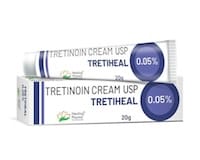
Buy Tretinoin Cream Online at the Best Price
Buy Tretinoin Cream Online at the Best Price
Mastering the Application Ritual
Think of your skin like a delicate silk fabric. If you treat it like a rough canvas, you will eventually deal with redness and peeling. Applying this product isn’t about slapping on a thick coat of paint. It requires a rhythmic, patient approach to get the best results.
First, make sure your face is completely dry. Putting tretinoin on damp skin is like throwing fuel on a fire; it absorbs too quickly and causes intense irritation. Wait at least twenty minutes after washing your face before you open that tube. Let your complexion settle and find its natural balance first.
The “pea-sized” rule is a strict requirement. Using more won’t make you look younger any faster. Instead, it will likely leave you looking like a sunburned ghost. Dot the cream on your forehead, cheeks, and chin, then spread it thinly. Be careful to avoid the sensitive corners of your nose and mouth.
The Evening Sequence
Timing is everything when you use this powerhouse. Since sunlight is a natural enemy to tretinoin, you should perform your ritual under the cover of darkness. Nighttime is when your skin cells go into overdrive to repair the damage caused during your busy day.
I once knew a woman who tried to use it in the morning just to get it over with. She ended up with a complexion so flaky she looked like a dried-up riverbed. Stick to the PM slot. It is a quiet, meditative process that tells your body it is time to heal.
Layering is the secret to avoiding a “retinoid purge.” Start with a gentle, non-stripping cleanser. Follow up with a hydrating serum if your skin feels thirsty. Then, apply your pea-sized amount of tretinoin. Finally, seal everything in with a rich, ceramide-heavy moisturizer to lock in the hydration.
If your skin reacts poorly, try the “sandwich method.” Apply moisturizer, then your tretinoin, and then another layer of moisturizer. This acts as a buffer, slowing down how fast the active ingredient penetrates without stripping away its ability to smooth out fine lines and acne.
| Step | Action | Timing |
| Cleanse | Gentle, non-active wash | 5 minutes before |
| Dry | Pat dry with a clean towel | 20 minutes wait |
| Apply | Pea-sized amount only | Nightly |
Frequency and Consistency
Don’t dive into the deep end right away. Even if you are eager for results, your skin needs to build a tolerance. Jumping in headfirst is a recipe for disaster. Start by using it just twice a week, treating it like a gentle introduction to a new friend.
If your skin handles the introduction well, you can gradually increase how often you use it. Some people thrive on nightly use, while others find that every other night is their sweet spot. Listen to your skin; it will tell you when it is feeling overwhelmed or ready for more.
Consistency is the name of the game. You won’t see a miracle overnight, despite what those flashy social media ads claim. It is a marathon, not a sprint. It might take twelve weeks of disciplined application before you notice that subtle, luminous glow in the mirror.
While you are on this journey, keep an eye on your budget for extra care. A high-quality, soothing moisturizer might cost around $35 to $50 to keep your skin barrier intact. Investing in a good sunscreen is also mandatory, as UV protection can run anywhere from $15 to $40.
- Avoid using physical scrubs while starting tretinoin.
- Avoid mixing with strong acids like Glycolic Acid.
- Always use a broad-spectrum SPF 30+ during the day.
- Always patch test on your jawline first.
Navigating Tretinoin Concentrations and Potency
Entering the world of prescription-strength retinoids can feel like walking into a minefield without a map. You might be tempted to grab the strongest tube on the shelf, thinking more is better. However, higher potency often means a much steeper learning curve for your skin’s resilience.
Concentrations typically range from 0.025% to 0.1%. Think of it like adding hot sauce to a meal; a tiny drop changes the flavor, but a whole bottle makes it inedible. For many, the 0.025% version is a gentle handshake, while 0.1% is a firm, demanding grip that requires serious skin fortitude.
If you are a beginner, starting too high is like trying to run a marathon without ever having walked a block. You might experience “retinoid dermatitis,” which is a fancy term for skin that looks like it has been through a blender. Slow and steady wins this particular race.
Choosing Your Starting Strength
Selecting your initial strength is a personal decision based on your skin’s history. If you have sensitive skin or have struggled with rosacea, you should tread very lightly. A lower concentration allows your cellular turnover to adjust without triggering an inflammatory firestorm.
On the other hand, if you have oily, resilient skin that has been using over-the-counter retinol for years, you might find 0.025% underwhelming. You might crave something with more teeth to tackle stubborn acne or deep-set wrinkles. It is a delicate balance between efficacy and irritation.
Many dermatologists suggest starting with the lowest dose to build a “buffer” of tolerance. It might feel like you are moving at a snail’s pace, but you are actually laying the foundation for long-term success. It is better to start low and move up than to start high and have to stop entirely.
Below is a general comparison of common prescription options and their typical market pricing to help you plan your skincare budget.
| Concentration Level | Typical Monthly Supply | Estimated Cost |
|---|---|---|
| 0.025% Cream | 30g Tube | $25 – $45 |
| 0.05% Cream | 30g Tube | $35 – $60 |
| 0.1% Cream | 30g Tube | $45 – $85 |
| Custom Compounding | Specialized Mix | $100+ |
The Creams vs. Gels Debate
You will likely encounter different vehicles for your medication, such as creams or gels. Creams are often the “comfort food” of the tretinoin world. They contain emollients that help soothe the skin as the active ingredient works behind the scenes.
Gels are much more lightweight and absorb almost instantly. They are a favorite for those with very oily or acne-prone skin who want to avoid any extra heaviness. However, gels can be a double-edged sword, as they tend to penetrate more deeply and quickly.
I once watched a friend struggle with a gel for months because her skin felt like parchment paper. Once she switched to a cream-based formula, her redness vanished almost overnight. It is not a one-size-fits-all situation; you must observe how your skin reacts to the texture.
Ultimately, your goal is to find the “Goldilocks” zone: the strength and texture that delivers results without causing constant redness. If your skin is flaking excessively, it is a signal to back off or switch to a more moisturizing vehicle. Listen to the whispers of your skin before they turn into screams.
Cost Analysis and Market Pricing in USD
Budgeting for a long-term skincare regimen is a bit like planning a road trip. You cannot just look at the price of the car; you have to account for the fuel, the tolls, and the occasional flat tire. With tretinoin, the “fuel” is the medication itself, which can vary widely depending on where you shop.
If you walk into a high-end dermatologist’s office, you might find yourself staring at a bill that feels like a mortgage payment. Private prescriptions often come with a significant markup for the convenience of a professional consultation and a branded tube. It is a steep price for a chemical compound.
The landscape has shifted significantly in recent years. The rise of telehealth and online pharmacies has opened a digital backdoor for many. You can often bypass heavy clinic fees by using digital services that connect your doctor and your doorstep, often saving a chunk of change.
Understanding the price difference between a traditional pharmacy and a specialized online provider is crucial. Some people find it much more economical to use a mail-order service that specializes in compounded versions of the cream. This can be a real lifesaver for those on a tight monthly budget.
Pharmacy Models and Savings
When you look at the market, you will see two main players: traditional retail pharmacies and online compounding pharmacies. Traditional pharmacies are the “old guard,” offering a sense of familiarity and immediate pickup. Yet, their pricing can be somewhat arbitrary and often leans toward the higher end.
Compounding pharmacies are the wildcards of the industry. They mix the active ingredients from scratch, which allows for more customization. While this flexibility is great, it often comes with a premium price tag that can catch you off guard if you aren’t prepared for the extra cost.
I remember a patient who was convinced they were overpaying until they switched to a generic mail-order option. The savings were substantial enough to cover their entire sunscreen budget for the year. It just goes to show that a little bit of research can go a long way.
To give you a clearer picture of what to expect, I have broken down some common pricing scenarios. Keep in mind that these are estimates, as insurance coverage and provider location will play a massive role in your final total.
- Prescription Retail: Often ranges from $40 to $100 per tube depending on the brand.
- Telehealth Services: Usually involves a monthly subscription fee plus the cost of the medication.
- Compounded Options: Can range from $50 to $150 for highly customized, larger quantities.
- Generic Alternatives: Often the most budget-friendly route, sometimes dipping below $30.
Hidden Costs to Consider
It is easy to get tunnel vision when looking at the price of the cream alone. However, tretinoin is a demanding roommate; it requires a specific environment to work effectively and safely. If you ignore the secondary costs, your skincare routine might become a financial black hole.
For instance, the mandatory use of SPF is non-negotiable. If you are using tretinoin, you cannot skimp on your sun protection. Investing in a high-quality, non-comedogenic sunscreen is a “hidden” cost that is actually a vital part of your total investment in skin health.
Then there is the “barrier repair” budget. Because tretinoin can be quite aggressive, you will likely need to purchase heavy-duty ceramides or hyaluronic acid to soothe the inevitable dryness. It is like buying a high-performance engine; you have to invest in the premium oil to keep it running smoothly.
Think of your total skincare budget as an ecosystem. If you buy a cheap cream but then have to spend extra on expensive soothing serums to fix the irritation it caused, you haven’t actually saved any money. It is better to budget for the whole system rather than just the star ingredient.
Procurement and Safe Acquisition Methods
Navigating the Regulatory Landscape
Sourcing this potent retinoid is not as simple as picking up a loaf of bread at the corner store. Because it is a high-strength vitamin A derivative, most jurisdictions require a valid prescription from a licensed healthcare professional. Trying to bypass this through shady, unregulated websites is like playing Russian roulette with your complexion.
You might encounter “gray market” sellers online who claim to offer prescription-strength creams without a doctor’s note. Do not be fooled by their siren song. These products are often counterfeit, improperly stored, or contain inaccurate concentrations that can lead to severe chemical burns or permanent skin sensitivity.
The safest route is always through a legitimate medical channel. Whether it is a local brick-and-mortar pharmacy or a verified telehealth platform, ensuring the provider is licensed is your first line of defense. It is better to wait a few days for a proper script than to risk a permanent dermatological disaster.
I once knew a woman who ordered a “miracle cream” from a social media advertisement to save a few bucks. It turned out to be a dangerous mix of industrial-grade acids. Her skin was left red and peeling for months. Always stick to the established, legal pathways to ensure your skin’s safety.
Verifying Online Pharmacy Legitimacy
The digital age has made it incredibly easy to find a pharmacy from your couch, but this convenience comes with a catch. Not every website with a “Pharmacy” label is actually a pharmacy. You must look for specific credentials, such as the VIPPS (Verified Internet Pharmacy Practice Standards) seal, to ensure you are not being scammed.
A legitimate online pharmacy will always ask for a prescription before you can checkout. If a site allows you to add tretinoin to your cart like a standard shampoo, run the other way. That is a massive red flag that the operation is likely illegitimate and the product quality is suspect.
Checking reviews on independent third-party sites can also provide peace of mind. While one bad review might just be a disgruntled customer, a pattern of complaints regarding shipping times or damaged packaging can tell you a lot. It is always wise to do your homework before handing over your credit card details.
When you do find a reputable provider, pay attention to their shipping protocols. Tretinoin is sensitive to heat and light. If they ship it in a flimsy envelope without protective packaging, the heat from a delivery truck could render the active ingredient completely useless before it even reaches your door.
Comparing Acquisition Channels
Deciding where to buy your cream often comes down to a trade-off between speed, cost, and customization. Some people prefer the immediate gratification of a local pharmacy, even if the price tag feels a bit heavy. Others are willing to play the waiting game to secure a more tailored, compounded version.
Telehealth services have become a massive middleman in this process. They provide the convenience of a doctor’s visit via a smartphone app, often at a lower cost than an in-person appointment. For many, this is the “sweet spot” between high-priced dermatology clinics and the risks of the unregulated market.
To help you weigh your options, I have put together a quick comparison of the most common ways people acquire their tretinoin. Each method has its own unique pros and cons that you should consider based on your specific skin needs and your current monthly budget.
| Method | Pros | Cons | Est. Cost |
| Local Retail | Immediate pickup; high trust | Highest price; no customization | $40 – $120 |
| Telehealth | Convenient; lower cost | Requires waiting for shipping | $30 – $80 |
| Compounding | Highly customized; larger sizes | Variable pricing; shipping time | $50 – $150 |
Logistics, Shipping, and Storage Requirements
Once you have finally secured your prescription, the real work begins. Tretinoin is not a stubborn ingredient; it is incredibly temperamental. It reacts to its environment like a delicate orchid in a drafty room. If you treat it poorly during the journey from the pharmacy to your vanity, you are essentially throwing your money down the drain.
Shipping logistics can make or break the potency of your cream. Most dermatologists recommend that you monitor the packaging closely upon arrival. If a package feels like it has been sitting in a furnace, or if the box is crushed, the chemical integrity of the cream might already be compromised. You want that active ingredient intact and ready to work.
I once had a shipment arrive on a blistering July afternoon. The box was warm to the touch, and I immediately worried the cream had “died” in transit. While it may have survived, it serves as a stark reminder. Always check your tracking numbers and try to ensure someone is home to receive it quickly to avoid porch heat.
Many high-end compounding pharmacies now use specialized, insulated packaging to mitigate these risks. While this might add a few extra dollars to your total, it is a small price to pay for stability. It is better to pay $5 extra for thermal protection than to use a degraded product that does absolutely nothing for your skin.
Optimal Storage Environments
When the package finally arrives, you need a permanent home for your tube. The golden rule is simple: keep it in a cool, dark place. A bathroom cabinet sounds convenient, but the steam from your morning shower creates a humidity rollercoaster that can be quite detrimental to the formula’s stability over time.
Ideally, you should store your tretinoin in a bedroom drawer or a dedicated skincare fridge. Avoid placing it near a window where sunlight can penetrate the tube. UV rays are the natural enemy of retinoids, and even a little bit of exposure can trigger a breakdown of the active molecules, leaving you with nothing but expensive grease.
Temperature fluctuations are the silent killers of dermatological efficacy. If your home tends to get quite warm, consider a dedicated climate-controlled area. Consistency is the name of the game. A steady, cool environment ensures that every squeeze of the tube is as potent as the first one you used.
Keep in mind that “room temperature” is a broad term. For most medications, this means staying between 68°F and 77°F. If you live in a tropical climate, you might need to be much more vigilant. Think of it like fine wine; it requires a stable environment to maintain its high-quality characteristics and intended strength.
Handling and Expiration Protocols
The way you handle the tube also matters more than most people realize. Always screw the cap on tight until it clicks. Leaving it slightly loose allows oxygen to seep in, and oxidation is a fast track to making your cream lose its punch. It only takes a few seconds to tighten it, so make it a habit.
You should also keep a close eye on the expiration date. Even in perfect storage, the chemical structure of tretinoin eventually degrades. Using expired cream is a gamble you shouldn’t take. If the texture changes or the color shifts significantly, it is time to toss it and start fresh with a new batch.
I’ve seen people try to stretch a single tube for six months by using tiny amounts. Not only does this lead to contamination from the tip, but it also increases the risk of the product going bad before you finish it. It is better to use the amount prescribed and replace it on schedule.
To keep your routine organized, I suggest a quick checklist for your storage habits:
- Avoid the high-moisture environment of the shower.
- Keep the tube away from direct sunlight at all times.
- Ensure the cap is tightened completely after every single use.
- Check the expiration date every time you restock.
- Store in a cool, dry drawer rather than a sunny windowsill.
Comparative Performance: Tretinoin vs. Retinol
The Potency Gap
Think of retinol as a gentle walking pace, while tretinoin is a full-blown sprint. Retinol must undergo a series of enzymatic conversions within your skin cells before it can actually do its job. It essentially has to “dress up” in different forms before it can finally transform into the active retinoic acid your skin recognizes.
Tretinoin doesn’t play games with conversions. It is already retinoic acid, meaning it hits the ground running the moment it touches your skin. There is no middleman in this chemical transaction. Because it bypasses that metabolic conversion step, it is significantly more powerful and much faster at driving cellular turnover.
If you are looking for a “set it and forget it” approach, retinol might be your best friend. It is the slow and steady turtle in the race of anti-aging. However, for those tackling deep-set wrinkles or stubborn acne, the turtle might take years to reach the finish line, whereas tretinoin arrives with a bang.
I remember a client who spent three years using over-the-counter retinol with minimal results. Once she made the switch to prescription tretinoin, the changes were visible in weeks. It was like turning the lights on in a dark room. However, that speed comes with a trade-off in terms of potential irritation and sensitivity.
Speed vs. Sensitivity
When you step into the ring with tretinoin, you have to be prepared for a bit of a fight. Because it is so potent, the “retinization” period can feel like a trial by fire. You might experience peeling, redness, or dryness as your skin adjusts to the sudden influx of high-strength activity.
Retinol is far more forgiving and much kinder to your skin’s moisture barrier. It is the perfect “training wheels” for beginners who are terrified of the dreaded “retinoid purge.” If you have highly sensitive skin or rosacea, jumping straight into the deep end with tretinoin might feel like a recipe for disaster.
It’s a classic case of “fast and furious” versus “slow and steady.” While tretinoin delivers results with much higher efficiency, it requires a disciplined approach to hydration. You cannot simply apply it and walk away; you must build a fortress of moisturizers to protect your skin while it undergoes this intense renovation.
Many people find success by sandwiching their tretinoin between layers of moisturizer. This helps dampen the blow to the skin’s surface. If you find yourself looking like a lizard after a week of use, you haven’t necessarily failed; you might just be moving a bit too fast for your skin’s current capacity.
The Cost-Benefit Analysis
When comparing the two, the price tag is often the first thing people notice. Retinol is widely available in drugstores for anywhere from $15 to $50. It is an easy, low-risk investment for someone who wants to start an anti-aging routine without breaking the bank or requiring a doctor’s visit.
Tretinoin, being a prescription-strength powerhouse, usually carries a higher price point. Depending on your pharmacy and the concentration, you might find yourself paying anywhere from $30 to $100 per tube. While the upfront cost is higher, the “cost per result” can actually be lower because it is so much more effective.
Consider this comparison to help visualize the difference in your skincare budget and expectations:
| Feature | Retinol | Tretinoin |
| Strength | Low to Moderate | Very High |
| Availability | Over-the-Counter | Prescription Only |
| Typical Cost | $15 – $50 | $30 – $100+ |
| Speed of Results | Slow (Months) | Fast (Weeks) |
Ultimately, the choice boils down to your skin’s tolerance and your ultimate goal. If you want to prevent fine lines before they start, a high-quality retinol is a fantastic tool. But if you are looking to treat existing acne or deep wrinkles, the investment in tretinoin is often worth every single penny.
Contact & directions
Address:
3555 North Colorado Boulevard,
Denver, CO 80205, USA